Understanding the Low Glycemic Index Concept
Low‑glycemic foods release glucose slowly‚ keeping blood sugar steady. The index ranks carbs by post‑meal rise; lower values mean gentler spikes. A PDF plan lists foods‚ portion sizes‚ and timing to help manage insulin and support weight control. !!!
Definition and Scientific Basis
The glycemic index (GI) ranks carbohydrate‑rich foods by the speed and magnitude of their impact on post‑prandial blood glucose. Foods with a high GI cause rapid spikes‚ while low‑GI foods release glucose gradually‚ promoting insulin sensitivity and satiety. The scientific basis lies in digestion rate‚ fiber content‚ and protein/fat pairing‚ all of which modulate enzymatic breakdown and intestinal absorption. The concept was first formalized in the 1980s by Dr. David J. Jenkins‚ who demonstrated that refined grains and sugary beverages elevate post‑meal glucose more than whole foods. Subsequent research has linked high‑GI diets to increased risk of type 2 diabetes‚ cardiovascular disease‚ and obesity. Low‑GI foods‚ such as legumes‚ whole grains‚ and non‑starchy vegetables‚ provide sustained energy and support metabolic flexibility. A low‑glycemic diet plan PDF translates this science into actionable meal charts‚ portion guides‚ and timing strategies‚ enabling individuals to monitor glycemic load‚ maintain stable glucose levels‚ and reduce long‑term metabolic risk. The PDF includes a table of common foods with their GI values‚ a guide to meal timing‚ and tips for combining macronutrients to lower the overall glycemic load of each plate. By integrating evidence‑based carbohydrate scoring with practical recipes‚ the PDF serves as a personalized toolkit for clinicians and consumers alike‚ supporting weight control‚ diabetes prevention‚ and overall metabolic health. Adjust portions fit goals!
Measuring Glycemic Index and Load
Measuring glycemic index (GI) involves feeding a standardized portion of carbohydrate—usually 50 g of available carbs—to a group of healthy volunteers and recording their blood glucose response over two hours. The resulting incremental area under the curve is compared to the same response for a reference food‚ typically pure glucose or white bread‚ which is assigned a GI of 100. Glycemic load (GL) expands on this by incorporating portion size: GL = (GI × carbohydrate per serving in grams)/100. This calculation reflects the real‑world impact of a food as it is normally consumed. In a low‑glycemic diet PDF‚ each entry lists both GI and GL‚ allowing users to see how a single serving influences their glucose levels. The PDF also includes a visual chart that maps foods across a GI spectrum‚ with color coding for low‚ medium‚ and high values. For practical application‚ the PDF recommends pairing high‑GI items with fiber‚ protein‚ or healthy fats to lower the effective GL‚ and it provides a quick‑reference table for common staples such as whole‑grain breads‚ legumes‚ and fruits. Users can calculate their own meal GL by summing individual GL values‚ ensuring that daily intake stays within recommended limits for optimal metabolic control.
When creating a personalized plan‚ the PDF prompts users to log their typical portion sizes and then calculates the GL for each meal. This feature helps identify hidden high‑GI contributors such as sweetened yogurt or flavored oatmeal. The PDF also explains how cooking methods alter GI: boiling tends to increase GI compared to steaming‚ while adding fat or acid (e.g.‚ lemon juice) can lower it. Additionally‚ the PDF offers a quick‑scan bar‑code system that links to an online database‚ enabling instant retrieval of GI/GL values for packaged foods. By integrating these measurement tools‚ the PDF empowers individuals to make evidence‑based choices and maintain stable blood glucose throughout the day. Enjoy!

Benefits of a Low Glycemic Diet Plan PDF for Health

Low‑glycemic foods stabilize blood sugar‚ reduce insulin spikes‚ and support weight control. The PDF guides portion sizing‚ pairing carbs with protein or fiber‚ and offers meal templates that lower glycemic load for sustained energy and metabolic health.!
Weight Management and Appetite Control
Low‑glycemic foods release glucose gradually‚ preventing sharp insulin spikes that trigger hunger. By pairing carbohydrates with protein‚ healthy fats‚ and fiber‚ the PDF’s meal templates keep satiety high and calorie intake in check. Portion sizing guidelines help users avoid overeating‚ while the emphasis on whole grains‚ legumes‚ and vegetables provides bulk without excess calories. The plan also recommends vinegar or water to slow digestion‚ further stabilizing sugar. Consistent‚ balanced meals reduce cravings for sugary snacks‚ supporting steady weight loss or maintenance. Tracking tools in the PDF allow users to monitor glycemic load and adjust portions‚ ensuring that each plate contributes to a calorie deficit without compromising nutrition. Over time‚ this approach trains the body to respond to food with a muted reaction‚ making it easier to maintain a healthy weight and reduce the risk of disorders. Additionally‚ the PDF includes a daily calorie calculator that aligns with individual basal rates‚ ensuring each meal plan supports a sustainable energy deficit. Users can track weight weekly‚ noting how low‑glycemic choices correlate with steady weight reduction. Mindful eating—chewing slowly‚ savoring flavors—enhances digestion and curbs appetite. Custom snack ideas‚ like nuts with a small fruit‚ keep hunger at bay. Evidence shows fewer cravings for sugar foods‚ reducing overall intake and improving markers. Over months‚ this disciplined approach lowers BMI‚ decreases waist circumference‚ and improves sensitivity‚ supporting long‑term health goals. This structured plan empowers individuals to achieve weight management enjoy flavorful meals.
Blood Sugar Regulation and Diabetes Prevention
Low‑glycemic diets stabilize post‑meal glucose‚ reducing insulin demand. The PDF’s templates emphasize foods with a glycemic index below 55‚ paired with protein and fiber to slow absorption. By keeping blood sugar steady‚ the plan lowers the risk of type 2 diabetes and supports remission in pre‑diabetic individuals. Research cited in the PDF shows that a daily glycemic load under 50 correlates with improved HbA1c levels. The plan recommends vinegar or lemon water before meals‚ shown to blunt glucose spikes. Portion control charts help users avoid excess carbohydrate intake‚ while whole‑grain legumes and leafy greens provide micronutrients that enhance insulin sensitivity. Users can track fasting glucose and HbA1c in the accompanying log‚ adjusting recipes based on results. The PDF offers a weekly menu that alternates high‑fiber grains and low‑GI fruits‚ ensuring consistent carbohydrate quality. By focusing on low‑glycemic foods‚ the plan also reduces inflammation markers linked to metabolic syndrome. Over time‚ participants report fewer hypoglycemic episodes and a smoother energy curve. The guide’s evidence‑based approach aligns with ADA recommendations‚ making it a practical tool for diabetes prevention and management. The plan also suggests fasting windows to further stabilize glucose levels. Additionally‚ the PDF includes a customizable grocery list prioritizing low‑glycemic staples and a mobile‑app integration suggestion for real‑time glucose monitoring. Users are encouraged to review progress monthly‚ celebrating milestones such as reduced medication dosage or improved lipid profiles.

Key Components of a Low Glycemic Diet Plan PDF
The PDF focuses on grains‚ legumes‚ lean proteins. It lists portion sizes‚ meal timing‚ and low‑GI foods like oats‚ quinoa‚ lentils‚ leafy greens. A tracker monitors glucose response to adjust portions.
High-Fiber Whole Grains and Legumes
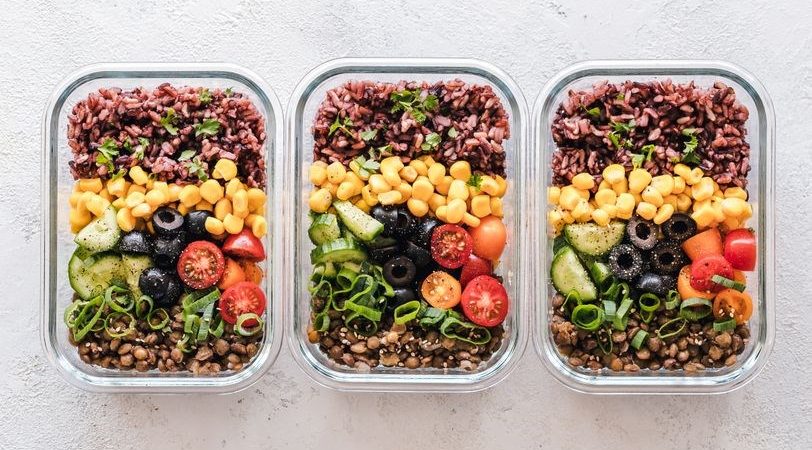
In a low‑glycemic diet PDF‚ whole grains and legumes are cornerstones because they combine complex carbohydrates with soluble and insoluble fiber‚ slowing digestion and moderating post‑meal glucose spikes. The guide lists items such as steel‑cut oats‚ barley‚ quinoa‚ bulgur‚ and brown rice‚ each with a glycemic index below 55. Legumes—black beans‚ chickpeas‚ lentils‚ and split peas—are highlighted for their high protein content and low GI‚ making them ideal for sustained energy. Portion control is emphasized: a typical serving is one cup cooked‚ which delivers about 5–7 grams of fiber and 15–20 grams of protein. The PDF also recommends pairing these staples with non‑starchy vegetables and a source of healthy fat‚ such as avocado or olive oil‚ to further dampen carbohydrate absorption. Recipes include overnight oats with chia seeds‚ lentil soups‚ and quinoa salads‚ all designed to be prepped in bulk for quick‚ balanced meals. A built‑in tracking sheet helps users record carbohydrate grams per meal‚ ensuring that total daily intake stays within personalized targets. By integrating these high‑fiber foods‚ the plan supports weight management‚ improves insulin sensitivity and promotes satiety while keeping the glycemic load manageable. Enjoy!
Lean Proteins and Healthy Fats
In a low‑glycemic diet PDF‚ lean proteins and heart‑healthy fats are paired to stabilize blood sugar while delivering satiety. The guide lists poultry such as skinless chicken breast‚ turkey‚ and fish like salmon or cod‚ each providing 20–25 g of protein per 3‑ounce serving and negligible carbohydrates. Plant‑based options—tempeh‚ tofu‚ and edamame—are also included for their low GI and high protein content. Healthy fats come from avocados‚ nuts‚ seeds‚ and extra‑virgin olive oil; a tablespoon of olive oil adds 14 g of monounsaturated fat and helps slow carbohydrate absorption. Recipes feature grilled chicken with roasted vegetables‚ salmon fillets topped with a pesto of basil‚ garlic‚ and olive oil‚ and a tofu stir‑fry with bell peppers and a splash of tamari. Portion sizes are clearly marked: a 3‑ounce protein portion plus 1 cup of non‑starchy vegetables and 1 tbsp of healthy fat. The PDF also provides a daily protein target calculator‚ encouraging 0.8–1.0 g of protein per kilogram of body weight for maintenance‚ and 1.2–1.5 g for active individuals. By emphasizing lean proteins and healthy fats‚ the plan reduces insulin spikes‚ supports muscle repair‚ and promotes long‑term metabolic health. The PDF also suggests incorporating omega‑3 rich foods such as sardines or chia seeds‚ and advises limiting processed meats to keep saturated fat intake within recommended limits. Users can track their daily fat grams using a simple spreadsheet or mobile app to ensure balanced macronutrient distribution. Additionally‚ a small handful of nuts per meal can provide crunch and healthy fat without excessive calories today. Remember to adjust portions based on activity level and goals.
Sample Meal Templates Included in the PDF
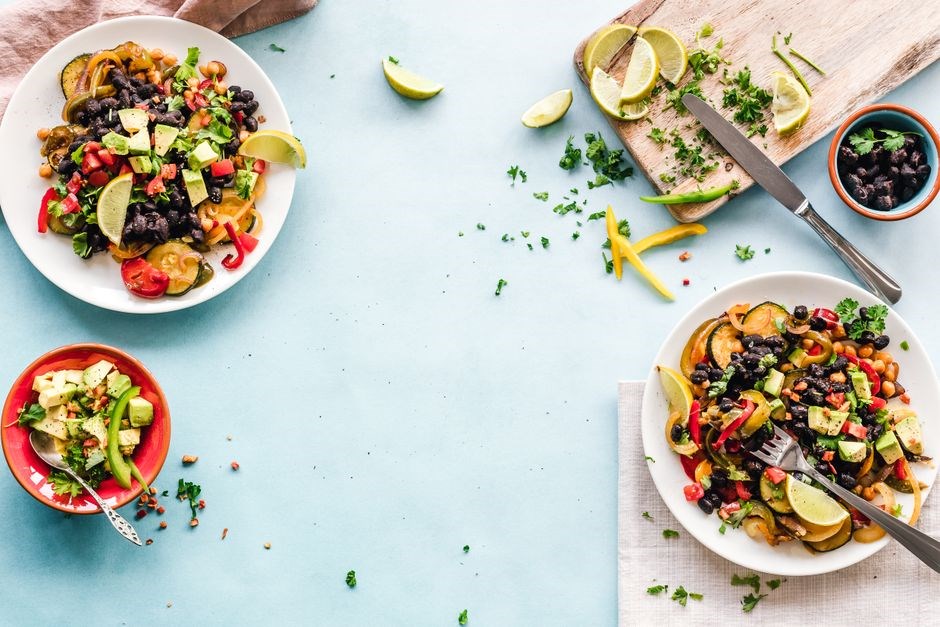
Breakfast: Greek yogurt with berries and chia. Lunch: quinoa salad with grilled chicken‚ spinach‚ and lemon‑olive oil. Dinner: baked salmon‚ roasted broccoli‚ and brown rice. Snacks: almonds‚ apple slices.!
Breakfast Options
Start the day with a balanced plate that keeps glucose steady. Overnight oats made with steel‑cut oats‚ unsweetened almond milk‚ chia seeds‚ and a handful of berries provide fiber‚ protein‚ and antioxidants. Top with a spoonful of natural peanut butter for healthy fats and a slow‑release energy boost. Another quick option is a veggie‑filled omelet: whisk two eggs with spinach‚ diced tomatoes‚ mushrooms‚ and a dash of oregano. For a low‑GI snack‑style breakfast‚ combine Greek yogurt with sliced kiwi‚ a sprinkle of flaxseed‚ and a drizzle of honey—just a teaspoon—to keep the glycemic index low while adding protein and omega‑3s. For those on the go‚ a protein‑rich smoothie with unsweetened soy milk‚ frozen spinach‚ a scoop of plant‑based protein powder‚ and a small banana offers a balanced mix of carbs‚ protein‚ and healthy fats. Add a handful of nuts or a slice of avocado for extra satiety. Include a glass of water or sparkling water with lemon to aid digestion. These options can be rotated daily to maintain variety and prevent dietary boredom. Enjoy the balanced nutrition and steady energy throughout your morning routine—stay satisfied! Remember to adjust portion sizes based on activity level and personal energy needs.
Lunch and Dinner Recipes

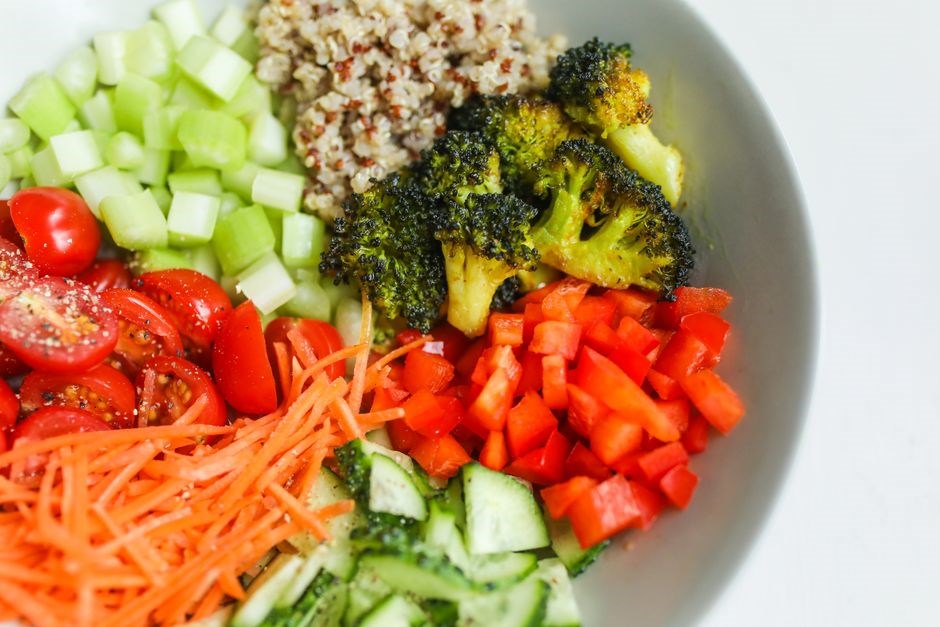
Below are balanced‚ low‑glycemic dishes that pair protein‚ fiber‚ and healthy fats to keep blood sugar steady. Quinoa & chickpea salad blends cooked quinoa‚ rinsed chickpeas‚ diced cucumber‚ cherry tomatoes‚ red onion‚ and a lemon‑olive oil vinaigrette. Toss in fresh parsley for flavor. Stuffed zucchini boats are filled with a mixture of ground turkey‚ diced bell pepper‚ minced garlic‚ and a sprinkle of mozzarella‚ then baked until golden. Lentil & vegetable soup uses red lentils‚ carrots‚ celery‚ and spinach simmered in low‑sodium broth; finish with a squeeze of lemon for brightness. Grilled salmon with roasted broccoli is seasoned with dill‚ lemon zest‚ and olive oil‚ served alongside a side of roasted broccoli and a small portion of wild rice. Each recipe is designed for portion control and can be prepped ahead for busy days. Enjoy the variety and the steady energy it provides throughout the afternoon and evening.
These meals are low‑glycemic yet satisfying‚ helping maintain steady energy. Pair each dish with leafy greens or a small portion of quinoa. Rotate proteins such as tofu‚ tempeh‚ or shrimp to keep variety high. Store leftovers in airtight containers‚ ensuring portion sizes remain healthy.

Practical Tips for Implementing the Plan
Start with a clear shopping list of whole grains‚ legumes‚ leafy greens‚ lean proteins‚ and fats. Prep meals in bulk‚ portion into containers‚ and use vinegar or lemon before carbs to slow absorption. Track portions with a food scale or measuring cups!!.
Shopping List and Meal Prep Strategies
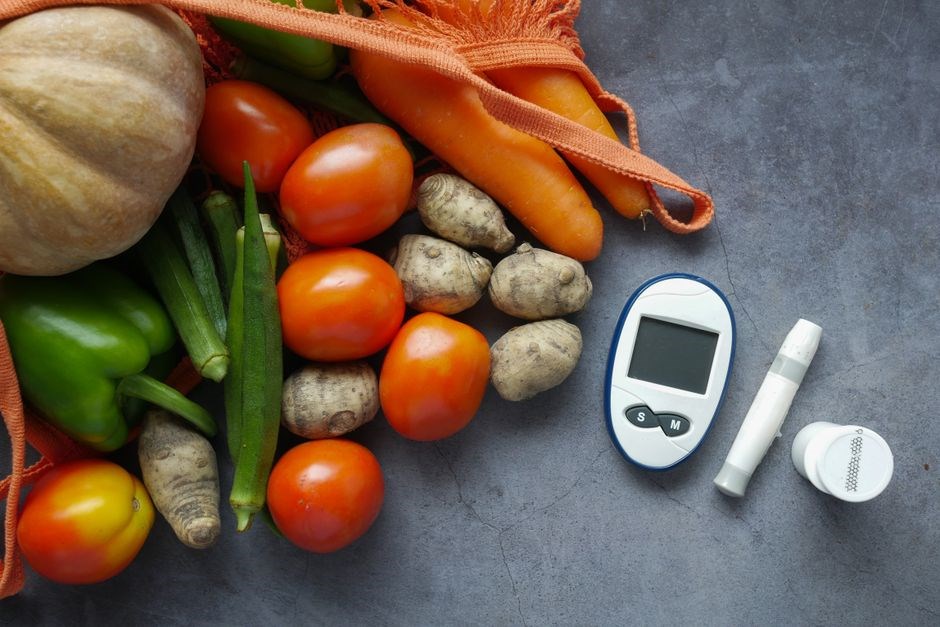
Begin with staples that score low on the glycemic index: quinoa‚ barley‚ farro‚ lentils‚ chickpeas‚ black beans‚ and split peas. Add a variety of leafy greens (spinach‚ kale‚ Swiss chard)‚ and colorful bell peppers. For protein‚ choose skin‑less poultry‚ lean cuts of beef‚ fish‚ and plant‑based options like tofu or tempeh. Healthy fats—avocado‚ nuts‚ seeds‚ and olive oil—help blunt post‑meal glucose spikes. A well‑planned grocery list also includes pantry items such as rolled oats‚ whole‑grain pasta‚ and low‑sugar sauces.
Meal‑prep tactics: batch‑cook grains and beans in a large pot or slow cooker‚ then portion into airtight containers. Slice vegetables in advance and store in the fridge for quick stir‑fries or salads. Pre‑marinate proteins with herbs‚ spices‚ and a splash of apple cider vinegar to enhance flavor and slow digestion. Use a digital kitchen scale to weigh servings‚ ensuring consistent portion sizes. Label containers with dates to maintain freshness. Finally‚ keep a small jar of chia seeds or ground flaxseed on hand to sprinkle over oatmeal or smoothie bowls for added fiber and omega‑3s.
Rotate protein sources weekly‚ keep a spice rack with cinnamon‚ cumin—slows glucose spikes. Store in bags to preserve crunch‚ jar of lemon juice for dressings.
Portion Control and Monitoring Tools
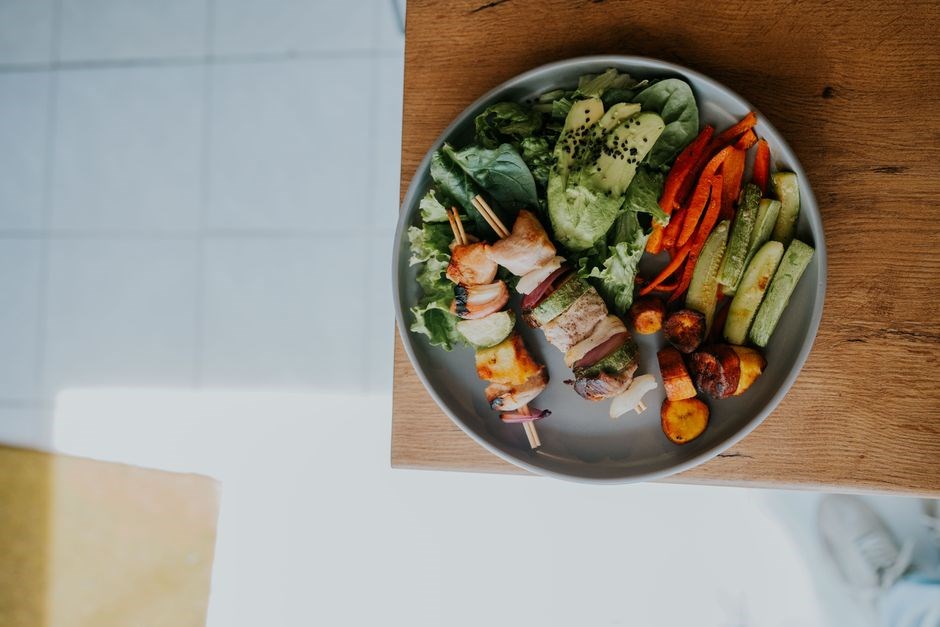
Accurate portioning is the cornerstone of a low‑glycemic diet. Use a digital kitchen scale to weigh grains‚ legumes‚ and proteins; a 100‑gram reference helps you match the glycemic load of each meal. Measuring cups and spoons give quick visual cues: one cup of cooked quinoa equals about 40 g of carbs‚ while a tablespoon of peanut butter is roughly 3 g. The plate method—half the plate vegetables‚ a quarter protein‚ a quarter whole‑grain—keeps carb intake balanced. For ongoing tracking‚ mobile apps like MyFitnessPal or Cronometer allow you to log foods‚ calculate glycemic load‚ and set daily limits. A simple logbook with columns for time‚ food‚ weight‚ and glycemic index can reveal patterns and help adjust portions. Portion‑control containers‚ such as 250‑ml glass jars‚ keep pre‑measured snacks ready. Finally‚ a food diary paired with periodic blood‑glucose checks (finger‑stick or continuous glucose monitor) provides feedback‚ ensuring that your portions consistently support stable blood sugar levels. Use portion control for snacks: measure nuts in a small bowl‚ and use a reusable snack bag to avoid overeating. For desserts‚ split a piece of dark chocolate into two equal parts and weigh each piece. Color‑coding your plates—green for veggies‚ yellow for carbs‚ red for protein—helps you visually balance meals!!
Resources for Customizing the PDF
Use the PDF’s editable sections to swap foods‚ adjust portions‚ and add notes. Download templates from the official site or import into Google Docs. Community forums share spice blends and meal‑prep hacks. daily.!
Adjusting for Individual Dietary Needs
Personalizing a low‑glycemic PDF starts with identifying key constraints: gluten sensitivity‚ dairy allergy‚ or specific macro goals. Replace wheat‑based grains with quinoa‚ buckwheat‚ or amaranth; swap dairy cheese for plant‑based alternatives. Use the PDF’s “Custom Notes” section to flag substitutions and track glycemic impact. For athletes‚ increase protein portions and add a post‑workout carb source like a small banana or sweet potato‚ noting the GI value. Vegans can incorporate tofu‚ tempeh‚ or lentils‚ ensuring each protein source aligns with the desired glycemic load. For those with insulin resistance‚ emphasize high‑fiber vegetables‚ legumes‚ and healthy fats while limiting simple sugars. The PDF allows you to adjust portion sizes in the “Meal Planner” grid; a 50‑gram serving of oats can be reduced to 30 grams to lower the glycemic load. Additionally‚ the “Macro Tracker” tab lets you set daily targets for carbs‚ protein‚ and fat‚ automatically recalculating the glycemic index of each meal. Finally‚ consult a registered dietitian to review your customized PDF‚ ensuring nutritional adequacy while maintaining a low glycemic profile. Swap high‑GI grains for cauliflower rice or spiralized zucchini‚ and boost healthy fats from avocado or olive oil. Paleo fans can replace legumes with grass‑fed meats and wild fish‚ keeping the glycemic load low. Adjust meals to fit fasting windows‚ ensuring balance and low‑GI. Use the PDF’s built‑in tracking tools to monitor your daily glycemic load and adjust meals accordingly results!! Remember to hydrate‚ incorporate regular physical activity‚ and keep a food diary to track patterns daily Use the PDF’s built‑in tracking tools to monitor your daily glycemic load and adjust meals accordingly results!! Enjoy flexibility daily !!
Where to Find Downloadable Templates
Finding ready‑made low‑glycemic meal plans is easier than ever. Many nutrition blogs offer free PDF templates that can be customized to fit your schedule. Search “low‑glycemic diet PDF template” on Google and you’ll encounter a variety of options from registered dietitians. Websites such as Healthline and EatRight.org host downloadable worksheets that include a weekly grocery list‚ portion‑size guide‚ and glycemic‑load calculator. For a more interactive approach‚ MyFitnessPal offers a library of user‑shared meal templates that can be exported as PDFs. Pinterest boards also feature printable “low‑GI meal planners” that combine visual meal ideas with a printable schedule. If you prefer a more mobile‑friendly format‚ check the Google Play or Apple App Store for apps that generate PDF meal plans on the fly. Finally‚ many university nutrition departments publish research‑based templates on their public portals‚ often requiring a simp email subscription to download. Always verify that the template includes a glycemic‑index column so you can track each meal’s impact on blood sugar. Download now and start planning your balanced meals. Enjoy! Share.