
The Brain That Changes Itself: A Comprehensive Overview
“The Brain That Changes Itself” explores neuroplasticity‚ detailing how the brain can rewire itself; a downloadable PDF version facilitates wider access to these insights.
Neuroplasticity‚ the brain’s remarkable ability to reorganize itself by forming new neural connections throughout life‚ fundamentally challenges traditional views of a fixed brain. This concept‚ central to Norman Doidge’s work in “The Brain That Changes Itself‚” demonstrates the brain isn’t static but dynamically adapts to experiences‚ learning‚ and even injury.
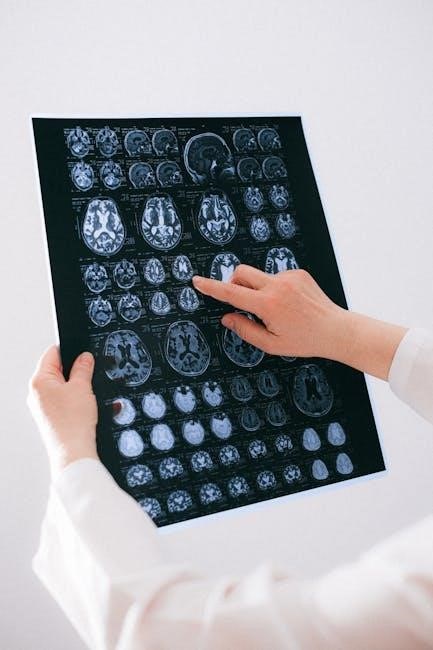
The availability of a PDF version of the book allows for broader dissemination of this revolutionary idea. It details how individuals can actively participate in reshaping their brains‚ offering hope for recovery from neurological conditions and enhancing cognitive function. Understanding neuroplasticity empowers us to move beyond limitations previously thought insurmountable‚ fostering a proactive approach to brain health and potential.
This foundational principle underpins numerous therapeutic interventions and learning strategies‚ making the book’s insights invaluable for professionals and individuals alike.
The Core Concepts of “The Brain That Changes Itself”
“The Brain That Changes Itself” centers on the idea that the brain possesses an extraordinary capacity for malleability‚ defying the long-held belief in its rigid structure. Key concepts include cortical reorganization – the brain’s ability to remap functions after injury or change – and synaptic plasticity‚ strengthening or weakening connections based on use.
Accessing the book in PDF format provides a convenient way to explore these concepts in detail. Doidge presents compelling case studies illustrating how targeted therapies and exercises can induce positive brain changes. The book emphasizes that focused mental effort and experience drive these transformations‚ offering a hopeful message about the brain’s potential for self-repair and improvement;
Ultimately‚ the core message is one of empowerment‚ suggesting we are not simply victims of our brains‚ but active agents in shaping them.

Understanding Brain Structure and Development
“The Brain That Changes Itself” highlights how understanding brain anatomy and development is crucial for leveraging neuroplasticity‚ as detailed in the PDF.
Basic Brain Anatomy: Key Regions and Functions
“The Brain That Changes Itself” emphasizes that grasping fundamental brain anatomy unlocks understanding of neuroplasticity’s potential. Key regions – the cortex‚ responsible for higher-level functions‚ and subcortical structures like the cerebellum and basal ganglia – dynamically interact. The PDF resource details how these areas aren’t fixed; they reorganize based on experience.
Cortical areas dedicated to specific functions (motor‚ sensory‚ language) can expand or contract. This reorganization‚ central to the book’s premise‚ demonstrates the brain’s remarkable adaptability. Understanding these regions and their interconnectedness‚ as explained within the downloadable PDF‚ is vital for appreciating how targeted interventions can induce positive change. The book illustrates how even seemingly immutable structures can be reshaped.
How the Brain Develops: From Childhood to Adulthood
“The Brain That Changes Itself” highlights that brain development isn’t a completed process in childhood; it continues throughout life. The PDF details how early experiences profoundly shape neural connections‚ establishing foundational pathways. However‚ neuroplasticity ensures the brain remains malleable‚ capable of adapting to new stimuli and challenges even in adulthood.
The downloadable resource explains that while childhood represents a period of heightened plasticity‚ the brain retains the capacity for significant reorganization. This ongoing development is crucial for learning‚ recovery from injury‚ and adapting to changing environments. The PDF emphasizes that understanding this lifelong plasticity is key to harnessing the brain’s potential for positive change at any age.
The Role of Brain Structure in Performance
“The Brain That Changes Itself”‚ accessible as a PDF‚ demonstrates how specific brain structures contribute to various functions‚ but also how these structures aren’t fixed determinants of performance. The book explains that while anatomical regions have core roles – like the respiratory center – plasticity allows for functional reorganization.
The PDF details cases where damage to one area doesn’t necessarily equate to permanent loss of function‚ as other brain regions can compensate. This highlights that performance isn’t solely dictated by structure‚ but by the brain’s ability to rewire itself. Understanding this interplay‚ as outlined in the downloadable resource‚ is crucial for optimizing brain function and recovery.

Neuroplasticity in Action: Mechanisms of Change
“The Brain That Changes Itself” PDF details synaptic plasticity and cortical reorganization – core mechanisms enabling the brain to adapt and change throughout life.
Synaptic Plasticity: Strengthening and Weakening Connections
“The Brain That Changes Itself” PDF profoundly illustrates synaptic plasticity‚ the fundamental process where connections between neurons become stronger or weaker based on activity. This dynamic reshaping is central to learning and adaptation. Repeated activation strengthens synapses – “neurons that fire together‚ wire together” – enhancing signal transmission. Conversely‚ infrequent use leads to synaptic weakening and eventual pruning.
The book details how this process isn’t merely about adding or subtracting connections‚ but refining existing ones. This refinement allows the brain to become more efficient and specialized. Understanding synaptic plasticity‚ as detailed within the PDF‚ is crucial for grasping how therapies can induce lasting positive changes‚ rebuilding neural pathways after injury or illness.
Cortical Reorganization: Mapping Changes in the Brain
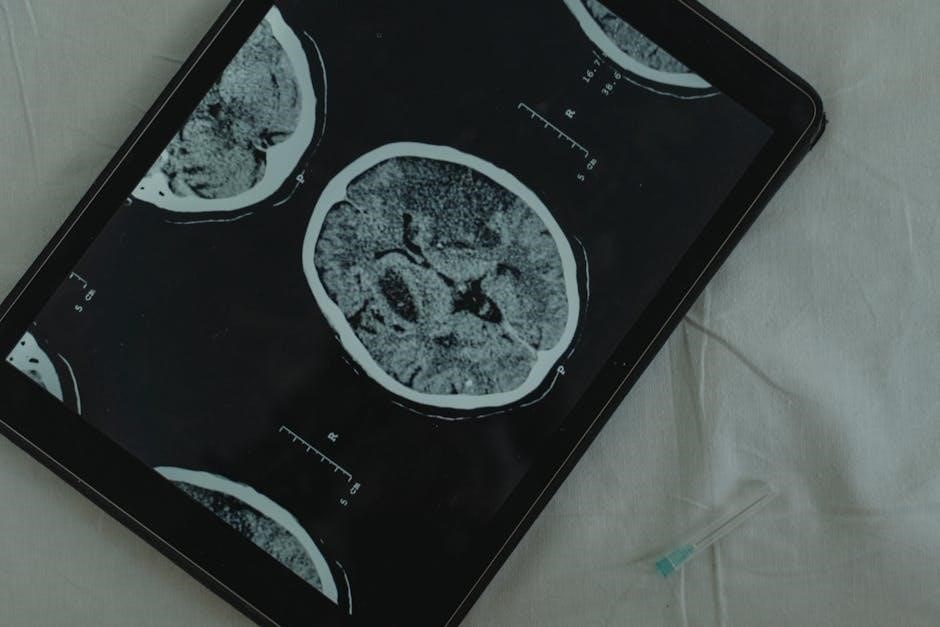
“The Brain That Changes Itself” PDF showcases cortical reorganization‚ a remarkable phenomenon where the brain’s map of the body and its functions can dramatically shift. This isn’t a static blueprint; areas of the cortex can expand or contract based on experience and need. For example‚ if a limb is lost‚ the cortical area previously dedicated to it can be reassigned to neighboring regions‚ processing input from other body parts.
The PDF highlights how therapies leverage this plasticity‚ prompting the brain to remap itself. Cheryl’s story exemplifies this‚ demonstrating how focused training can alter perception and balance. This reorganization isn’t limited to sensory or motor areas; it impacts cognitive functions too‚ offering hope for recovery from stroke and other neurological conditions.
The Impact of Experience on Brain Structure
“The Brain That Changes Itself” PDF profoundly illustrates how experience isn’t merely recorded by the brain‚ but actively shapes its physical structure. Repeated actions‚ focused learning‚ and even altered sensory input lead to tangible changes in synaptic connections and cortical representation. This challenges the long-held belief in a fixed‚ immutable brain.
The document details how this plasticity extends beyond childhood‚ continuing throughout adulthood. Cheryl’s case‚ detailed within the PDF‚ demonstrates how targeted exercises can rebuild neural pathways‚ improving balance and challenging ingrained perceptions. This underscores the brain’s capacity for lifelong adaptation‚ offering a powerful message of hope and potential for personal growth and recovery.

Applications of Neuroplasticity: Therapies and Techniques
“The Brain That Changes Itself” PDF showcases neuroplasticity-based therapies for neurological conditions‚ brain-based learning‚ and the potential of brain-computer interfaces (BCIs).
Neuroplasticity-Based Therapies for Neurological Conditions
“The Brain That Changes Itself” PDF details groundbreaking therapies leveraging neuroplasticity to address neurological conditions. The book‚ and its accessible PDF format‚ illustrates how targeted interventions can stimulate brain reorganization‚ offering hope for recovery.
These therapies move beyond the traditional view of a fixed brain‚ demonstrating the potential for functional improvements even after injury or disease. Cheryl’s story‚ highlighted within the resource‚ exemplifies how focused training can remap brain pathways‚ improving balance perception.
The PDF provides insights into how therapies can effectively induce change‚ allowing individuals to regain lost functions and improve their quality of life. It underscores the power of harnessing the brain’s inherent capacity for adaptation and repair‚ offering a paradigm shift in neurological rehabilitation.
Brain-Based Learning and Educational Implications
“The Brain That Changes Itself” PDF profoundly impacts educational perspectives‚ arguing educators can utilize neuroplasticity knowledge to enhance teaching. The resource reveals how understanding brain malleability can revolutionize pedagogical techniques‚ fostering more effective learning environments.
It suggests that learning isn’t simply about information absorption‚ but about actively reshaping neural connections. This understanding encourages educators to design experiences that stimulate brain change‚ promoting deeper understanding and retention.
The PDF highlights the potential for personalized learning approaches tailored to individual brain differences. By embracing neuroplasticity‚ educators can unlock students’ full potential‚ creating a dynamic and adaptive learning process that maximizes cognitive growth and development.
Brain-Computer Interfaces (BCIs) and Neuroplasticity
“The Brain That Changes Itself” PDF illuminates the synergy between neuroplasticity and Brain-Computer Interfaces (BCIs). BCIs‚ establishing a direct communication link between brain activity and external devices‚ rely heavily on the brain’s capacity to adapt and rewire itself.
The PDF demonstrates how BCIs aren’t merely about controlling devices‚ but about leveraging neuroplasticity to restore function or enhance abilities. As the brain interacts with the BCI‚ it forms new neural pathways‚ effectively learning to control the interface.
This process exemplifies the brain’s remarkable adaptability‚ offering hope for individuals with neurological conditions. The resource underscores the potential of BCIs to harness neuroplasticity for therapeutic interventions and assistive technologies‚ improving quality of life.

Exercises and Methods for Enhancing Brain Performance
“The Brain That Changes Itself” PDF details practical techniques and exercises‚ like the “Method of Revolution‚” to stimulate neuroplasticity and improve brain function.
Brain Development Exercises: Practical Techniques
“The Brain That Changes Itself” PDF emphasizes that the brain isn’t fixed‚ and targeted exercises can foster neuroplastic change. These techniques aren’t merely theoretical; they’re demonstrated through compelling case studies‚ like Cheryl’s journey to regain balance. The book advocates for actively engaging neural pathways through focused attention and repetition.
Practical approaches include visualization‚ mental practice‚ and sensory re-training. These methods aim to strengthen existing connections or forge new ones‚ effectively “rewiring” the brain. The core principle involves challenging the brain beyond its comfort zone‚ prompting adaptation and growth.
Furthermore‚ the PDF highlights the importance of consistent effort and personalized approaches‚ recognizing that each brain responds uniquely to stimulation. It’s about harnessing the brain’s inherent capacity for change.
The “Method of Revolution” and Tools for Change
As detailed in “The Brain That Changes Itself” PDF‚ the “Method of Revolution” isn’t a rigid protocol‚ but a mindset – a belief in the brain’s remarkable capacity for transformation. It centers on identifying limiting beliefs or dysfunctional patterns and actively challenging them through focused interventions.
Tools for change aren’t limited to clinical therapies; they encompass a broad range of techniques‚ from sensory re-training exercises (like Cheryl’s balance rehabilitation) to mindful awareness practices. The key is to provide the brain with novel experiences and targeted stimulation.
The PDF underscores that successful change requires active participation and a willingness to embrace discomfort‚ as rewiring neural pathways isn’t always easy. It’s a process of deliberate‚ focused effort.
Improving Brain Performance Through Targeted Stimulation
The insights within “The Brain That Changes Itself” PDF highlight that targeted stimulation isn’t merely about “brain training” apps. It’s about strategically engaging specific neural circuits to promote plasticity and enhance function. This can involve focused attention exercises‚ sensory integration therapies‚ or even utilizing brain-computer interfaces (BCIs).
BCIs‚ as the PDF explains‚ offer a direct communication pathway‚ potentially accelerating the rewiring process. However‚ simpler methods – like focused practice of a skill or deliberate exposure to novel stimuli – can also be profoundly effective.

The core principle is neuroplasticity: the brain adapts based on experience. Targeted stimulation provides the brain with the necessary input to reshape itself for optimal performance.
Case Studies and Real-World Examples
“The Brain That Changes Itself” PDF showcases compelling stories‚ like Cheryl’s balance recovery‚ demonstrating neuroplasticity’s power and therapeutic potential in real-life scenarios.
Cheryl’s Story: Re-evaluating Perception of Balance
Cheryl’s case‚ detailed within “The Brain That Changes Itself” PDF‚ vividly illustrates neuroplasticity in action; Suffering from chronic dizziness‚ she underwent specialized therapy utilizing a rotating apparatus. Initially‚ the spinning induced severe discomfort and disorientation‚ highlighting a miscalibration within her brain’s balance system.
However‚ over months of consistent training‚ Cheryl actively strengthened neural pathways associated with accurate spatial orientation. This deliberate practice prompted her brain to fundamentally re-evaluate her perception of balance‚ effectively recalibrating her internal sense of equilibrium. Remarkably‚ she eventually no longer required the apparatus to mitigate the spinning sensation.
This success demonstrates the brain’s capacity to reorganize itself‚ even after years of experiencing a debilitating condition‚ offering hope and showcasing the transformative potential of neuroplasticity-based interventions.
Illustrating the Effects of Therapies on Brain Change
“The Brain That Changes Itself” PDF presents compelling evidence of therapies inducing measurable brain alterations. Dr. Doidge expertly illustrates how interventions‚ ranging from constraint-induced movement therapy to phantom limb pain treatment‚ aren’t simply addressing symptoms‚ but actively reshaping neural circuitry.
These therapies leverage neuroplasticity‚ prompting the brain to form new connections and reorganize existing ones. The book details how focused‚ repetitive exercises can strengthen desired pathways while weakening maladaptive ones‚ leading to functional improvements.
The PDF showcases how the brain isn’t a fixed entity‚ but a dynamic organ capable of profound change throughout life‚ offering a hopeful perspective on recovery from neurological conditions and the potential for self-directed neuroplasticity.
The Brain That Rebuilds Itself: Personal Development
“The Brain That Changes Itself” PDF extends beyond clinical applications‚ highlighting neuroplasticity’s role in personal growth. The book demonstrates how individuals can consciously influence their brains through focused attention‚ deliberate practice‚ and mindful awareness.
It suggests that by actively engaging in new experiences and challenging existing neural patterns‚ we can enhance cognitive abilities‚ overcome limiting beliefs‚ and cultivate positive habits. The PDF emphasizes that neuroplasticity isn’t limited to recovery from injury; it’s a fundamental process underpinning lifelong learning and self-improvement.
Ultimately‚ the text empowers readers to take an active role in shaping their own brains and realizing their full potential‚ fostering resilience and adaptability.

Accessing Information: The PDF and Beyond
“The Brain That Changes Itself” PDF offers convenient access to its transformative ideas‚ alongside numerous free online resources and educational perspectives.
Downloading “The Brain That Changes Itself” PDF
Finding a digital copy of “The Brain That Changes Itself” in PDF format is increasingly common‚ offering convenient access to its groundbreaking research on neuroplasticity. Numerous online platforms host this resource‚ allowing readers to delve into the fascinating world of brain rewiring.
However‚ it’s crucial to exercise caution when downloading from unofficial sources to ensure file safety and authenticity. Legitimate websites and online libraries often provide secure download options. The PDF version allows for easy portability‚ enabling study and reference on various devices.
Furthermore‚ exploring related materials like “The Art of Changing the Brain” – also available as a PDF – can enrich your understanding of applying neuroplasticity principles‚ particularly within educational contexts. This accessibility democratizes knowledge‚ empowering individuals to explore brain function and potential.
Free Resources and Online Availability
Beyond purchasing the book‚ numerous free resources expand access to the core concepts of “The Brain That Changes Itself.” Online articles‚ summaries‚ and excerpts provide introductory insights into neuroplasticity. Websites dedicated to brain health and cognitive science frequently feature content inspired by Dr. Doidge’s work.
While a complete‚ legally free PDF of the entire book may be difficult to locate‚ related materials like “The Art of Changing the Brain” are often available as free downloads in PDF or text formats. These resources offer complementary perspectives on leveraging brain plasticity for learning and personal development.
Furthermore‚ educational platforms and online forums host discussions and presentations based on the book’s principles‚ fostering a community of learners exploring the brain’s remarkable capacity for change.
The Art of Changing the Brain: Educational Perspectives
“The Art of Changing the Brain”‚ often available as a free PDF‚ directly applies neuroplasticity principles to pedagogical techniques. It argues educators can significantly enhance learning by understanding how the brain develops and adapts.
This resource details how historical scholars interpreted evidence related to evolution and natural history‚ drawing parallels to modern neuroscience. It emphasizes the importance of adapting teaching methods to align with the brain’s natural learning processes‚ fostering deeper understanding and retention.
The document explores how acknowledging brain plasticity can revolutionize educational approaches‚ moving beyond traditional rote learning towards more engaging and effective strategies. It’s a valuable companion to “The Brain That Changes Itself‚” offering practical applications for educators.