Baskerville Dog Muzzle Size Guide: A Comprehensive Overview (Updated 01/26/2026)
Baskerville muzzles often present fitting challenges due to their unique shape; accurate open-mouth measurements are crucial‚ prioritizing ample pant space for comfort and safe breathing․
Understanding Baskerville Muzzles: General Concerns
Baskerville muzzles‚ while widely available‚ frequently draw criticism regarding their overall fit and design․ Many owners and professionals express concerns that the shape isn’t universally suitable for diverse canine muzzle morphologies․ This can lead to improper sizing and‚ consequently‚ discomfort or even safety issues for the dog․
A primary concern revolves around the tendency for these muzzles to be too long for some breeds‚ restricting the dog’s ability to fully extend their jaw and pant effectively․ Panting is absolutely vital for thermoregulation – cooling down – and a restricted panting ability can quickly lead to overheating‚ especially during exercise or in warm weather․
Furthermore‚ the material and construction‚ while seemingly durable‚ don’t always accommodate the natural contours of a dog’s face‚ potentially causing rubbing or pressure points․ It’s essential to remember that a muzzle isn’t a punishment; it’s a safety tool‚ and should never compromise the dog’s well-being․ Owners should be prepared to explore alternative brands if a proper fit cannot be achieved with a Baskerville muzzle․
The Fit Issue: Why Baskerville Muzzles Can Be Problematic
Baskerville muzzles often struggle with achieving a consistently good fit across different breeds and individual dogs․ Their somewhat rigid‚ basket-style design doesn’t conform easily to the varying shapes of canine snouts․ This frequently results in gaps around the sides‚ allowing the dog to potentially remove the muzzle or‚ more dangerously‚ circumvent it to bite or grab objects․
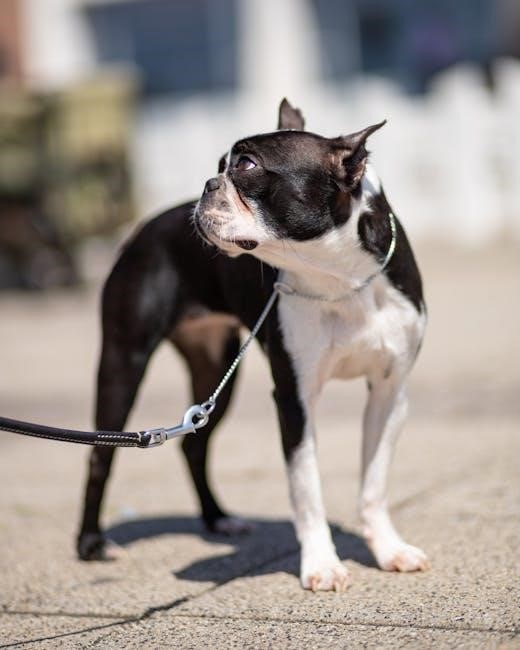
The shape itself is a significant factor; it’s not inherently designed to accommodate the facial structure of brachycephalic (short-nosed) breeds like Pugs or Boston Terriers‚ and can be too long for many others․ This length can impede panting‚ a critical cooling mechanism for dogs․
Even with careful measurement and adjustment of the straps‚ achieving a secure and comfortable fit can be challenging․ Many users report difficulty finding a size that isn’t either too tight‚ restricting breathing‚ or too loose‚ compromising safety․ Considering alternatives like CHOPO muzzles is often advisable when a proper fit proves elusive․
Key Measurement: Open Mouth Circumference – The Crucial Step
Accurately measuring your dog’s open mouth circumference is paramount when selecting a Baskerville muzzle․ This measurement‚ taken around the widest part of the muzzle when the dog is comfortably open-mouthed‚ dictates the necessary size for a safe and functional fit․ Forget closed-mouth measurements – they are consistently inaccurate and lead to ill-fitting muzzles․
Use a flexible measuring tape and ensure it’s snug but not tight․ It’s helpful to have an assistant to gently hold the tape in place while you obtain the reading․ Add approximately 1-2 cm (0․5-1 inch) to this measurement to allow for comfortable panting and movement․
This open-mouth circumference is the primary determinant for size selection‚ far outweighing weight or breed guidelines․ Always prioritize this measurement and consult the Baskerville sizing chart‚ but be prepared to size up if the initial measurement falls between sizes․
Why Closed-Mouth Measurements Are Inaccurate
Relying on a closed-mouth measurement to determine a Baskerville muzzle size is a significant error․ A dog’s muzzle naturally relaxes when closed‚ providing a falsely small reading․ This leads to a muzzle that is too restrictive‚ hindering essential behaviors like panting‚ drinking‚ and accepting treats․
Panting is crucial for thermoregulation – a dog’s primary cooling mechanism․ A tightly fitted muzzle‚ based on a closed-mouth measurement‚ severely restricts airflow‚ potentially leading to overheating‚ especially during exercise or in warm weather․
Furthermore‚ closed-mouth measurements don’t account for the natural variations in muzzle shape and size between individual dogs․ Always prioritize the open-mouth circumference; it’s the only reliable indicator of the space needed for comfort‚ safety‚ and proper function․ Disregard any sizing guides that solely rely on closed-mouth dimensions․
Baskerville Muzzle Sizing: Official Guidelines & Their Limitations
Baskerville provides sizing charts based on both weight and breed‚ intending to simplify selection․ However‚ these official guidelines are demonstrably limited and should be considered a starting point only‚ not a definitive solution․ Significant individual variation exists within breeds‚ and weight alone is an unreliable indicator of muzzle size․
The charts often recommend sizes that prove too small in practice‚ particularly for dogs with broader snouts or those approaching the upper weight limit for a given size․ It’s crucial to remember the recommendation to use weight/breed guidelines only if the dog isn’t overweight or underweight․
Prioritize the open-mouth circumference measurement above all else․ If your measurement falls between sizes‚ it’s generally advisable to size up to ensure adequate pant space and avoid discomfort․ Don’t solely rely on the brand’s suggested sizing; always double-check with accurate measurements․
Breed-Specific Considerations (and Warnings)
Baskerville muzzles are demonstrably ill-suited for certain breeds․ Specifically‚ small dogs with short noses‚ such as Pugs and Boston Terriers‚ are explicitly not recommended due to the muzzle’s shape and potential for restricted breathing․ The design simply doesn’t accommodate their brachycephalic features effectively․
For breeds with wider heads relative to their snout length – like Bulldogs or Boxers – careful measurement and potential sizing up are essential․ These breeds often require a larger size than anticipated based on weight alone․ Always prioritize pant space; a too-small muzzle can cause overheating and distress․
Owners of breeds prone to overheating‚ regardless of size‚ should exercise extra caution․ Ensure the muzzle allows for efficient panting‚ especially during warm weather or strenuous activity․ Consider alternative muzzle brands like CHOPO‚ which may offer a better fit for challenging breeds․
Weight vs․ Open Mouth Measurement: Which Matters More?
While Baskerville provides weight-based sizing guidelines‚ these should be considered a starting point only․ Open mouth circumference is the undeniably crucial measurement for a proper fit․ Relying solely on weight can lead to significant errors‚ particularly with breeds exhibiting variations in head shape or muscle mass․
A dog’s weight fluctuates‚ but their snout size remains relatively constant․ Therefore‚ a precise open-mouth measurement ensures the muzzle isn’t too constricting‚ hindering panting‚ or too loose‚ allowing the dog to remove it․ Prioritize the open-mouth measurement and then consult the weight chart as a secondary reference․
If the open-mouth measurement falls between sizes‚ it’s generally advisable to size up․ A slightly larger muzzle is far preferable to one that compromises the dog’s ability to breathe comfortably․ Remember‚ adequate ventilation is paramount for the dog’s well-being while muzzled․
Size 5: A Common Question – Is It Right for Your Dog?
Size 5 Baskerville muzzles are frequently inquired about‚ but suitability varies greatly․ While it might work for some dogs‚ it’s often reported as potentially too long‚ impacting crucial pant space․ This size can restrict airflow‚ causing discomfort and potentially overheating‚ especially during exertion․
Don’t automatically assume Size 5 is correct based on breed generalizations․ Always prioritize measuring your dog’s open mouth circumference․ If the measurement aligns with Size 5‚ carefully assess whether the muzzle allows for full‚ uninhibited panting․
Err on the side of caution and consider sizing up if there’s any doubt․ A slightly larger muzzle is preferable to one that compromises breathing․ Remember‚ a properly fitted muzzle allows the dog to open its mouth widely and pant effectively‚ ensuring comfort and safety․ Consider CHOPO muzzles as an alternative if Size 5 doesn’t provide adequate space․
Pant Space: The Most Important Factor for Dog Comfort
Adequate pant space is paramount when selecting a Baskerville muzzle․ Dogs regulate their body temperature primarily through panting; restricting this vital function can lead to overheating and distress․ A muzzle that doesn’t allow for full jaw extension and unrestricted panting is simply unsafe‚ regardless of other fit aspects․
You need more pant space than you initially think․ Observe your dog’s panting – how far does their tongue extend? The muzzle must accommodate this full range of motion․ Don’t rely solely on weight or breed guidelines; open-mouth circumference is the key measurement․
If a muzzle appears to fit well but limits panting‚ immediately size up․ Prioritize comfort and physiological needs over a seemingly “perfect” fit․ Consider alternatives like CHOPO muzzles‚ often praised for their superior pant space design․ A happy‚ comfortable dog is a safe dog․
Ensuring Adequate Ventilation While Muzzled
Ventilation is intrinsically linked to pant space; a muzzle allowing ample panting naturally provides better airflow․ However‚ it’s crucial to actively verify sufficient ventilation‚ especially with Baskerville muzzles known for potential fit issues․ Observe your dog closely for signs of labored breathing or excessive drooling while muzzled․
The muzzle’s design should not obstruct nasal passages․ Regularly check for any blockage caused by the muzzle material or your dog’s tongue․ Ensure the muzzle isn’t pressed tightly against the nose‚ hindering airflow․ Adjust the center strap to create space without compromising security․

Consider the duration of muzzle use․ Extended wear necessitates even greater attention to ventilation․ If overheating is a concern‚ limit muzzling time or explore alternative muzzle brands like CHOPO‚ often favored for their improved airflow․ Prioritize your dog’s well-being above all else․
Adjusting the Center Strap for Optimal Fit
The center strap on a Baskerville muzzle is pivotal for a secure‚ yet comfortable fit․ Initial adjustment should allow for two fingers to comfortably slide between the strap and your dog’s face․ This ensures it’s not overly restrictive‚ hindering breathing or causing discomfort․
Loosening the strap can create vital pant space‚ particularly important if the initial size feels snug․ However‚ avoid excessive looseness‚ as this compromises the muzzle’s effectiveness․ The muzzle should remain firmly in place‚ preventing removal by pawing or rubbing․
Regularly reassess the strap’s tension‚ especially during extended wear․ Weight fluctuations or changes in fur thickness can impact the fit․ If using a second muzzle in an emergency‚ prioritize loosening the strap to ensure nasal comfort․ Remember‚ a properly adjusted strap balances security and ventilation․
When to Size Up: Prioritizing Comfort and Breathing
Prioritizing comfort and breathing is paramount when selecting a Baskerville muzzle size․ If your dog exhibits any signs of respiratory distress – excessive panting‚ labored breathing‚ or blue gums – immediately size up․ Remember‚ adequate pant space is non-negotiable; dogs regulate their temperature primarily through panting․
Even if the open-mouth measurement falls within a specific size range‚ err on the larger side․ A slightly larger muzzle allows for greater airflow and reduces the risk of overheating‚ especially during exercise or warm weather․ Don’t rely solely on weight or breed guidelines‚ as individual variations exist․
If you observe the muzzle pressing against your dog’s nose or restricting jaw movement‚ a larger size is necessary․ A well-fitting muzzle allows for natural mouth movements and doesn’t cause chafing or irritation․ Always observe your dog closely for signs of discomfort․
Alternatives to Baskerville: Exploring Other Muzzle Brands
Given the frequent fitting issues associated with Baskerville muzzles‚ exploring alternative brands is often advisable․ Many owners find that other designs offer a more secure and comfortable fit for their dogs․ CHOPO muzzles consistently receive positive reviews and are frequently recommended as a superior alternative‚ particularly if availability isn’t a concern․
Unlike the somewhat restrictive shape of Baskerville muzzles‚ CHOPO offers a wider range of shapes and sizes‚ catering to diverse snout lengths and widths․ This increased variety significantly improves the chances of finding a well-fitting muzzle that allows for unrestricted panting and natural jaw movement․
Consider brands that prioritize breathability and comfort‚ utilizing materials like durable nylon or flexible silicone․ Researching different muzzle shapes – basket‚ short snout‚ or long snout – can also help identify the best option for your dog’s specific facial structure․
CHOPO Muzzles: A Recommended Alternative
CHOPO muzzles consistently emerge as a highly recommended alternative to Baskerville‚ praised for their superior fit and comfort․ Owners frequently report a significantly easier fitting process‚ reducing frustration and ensuring a more positive experience for their dogs․ The brand offers a wider variety of sizes and shapes‚ accommodating a broader range of breeds and snout morphologies․
A key advantage of CHOPO muzzles lies in their design‚ which prioritizes ample pant space and unrestricted breathing․ This is crucial for dogs engaging in physical activity or experiencing stress‚ preventing overheating and discomfort․ The durable construction ensures longevity‚ even with regular use․
While potentially harder to source depending on location‚ the investment in a CHOPO muzzle is often worthwhile․ Prioritize accurate open-mouth circumference measurements when selecting a size‚ mirroring the importance with any muzzle brand․
Comparing Baskerville to Other Muzzle Shapes
Baskerville muzzles distinguish themselves with a basket-style design‚ differing significantly from more traditional‚ closed-front or shorter-basket options․ This unique shape‚ while intended to offer protection‚ often contributes to fitting difficulties‚ particularly regarding snout length and width․ Many dogs find the Baskerville’s curvature awkward‚ impacting comfort and potentially restricting movement․
Compared to CHOPO muzzles‚ which offer a more streamlined and customizable fit‚ Baskervilles can feel bulky․ Shorter-basket muzzles‚ frequently favored for brachycephalic breeds‚ prioritize breathability but may offer less overall protection․ The Baskerville’s length can be problematic‚ potentially interfering with a dog’s natural gait or ability to drink․
Ultimately‚ the “best” shape depends on the individual dog․ However‚ the Baskerville’s distinctive form necessitates meticulous measurement and careful consideration of pant space to avoid discomfort and ensure effective‚ humane use․
Emergency Muzzling: Quick Fixes and Temporary Solutions
In urgent situations requiring immediate muzzle application‚ a Baskerville may not always be readily available or appropriately sized․ While not ideal‚ temporary solutions can provide a degree of safety․ A soft muzzle‚ or even a makeshift option using gauze or nylon stocking (with extreme caution and constant supervision!)‚ can offer short-term restraint․
However‚ these alternatives severely restrict breathing and should only be used for extremely brief periods – think seconds‚ not minutes – until a proper muzzle can be secured․ If a Baskerville is the only option‚ loosening the center strap significantly can create temporary space‚ though compromising security․
Remember‚ emergency muzzling is a stopgap measure․ Prioritize obtaining a correctly fitted muzzle‚ ideally a CHOPO‚ for reliable and comfortable restraint․ Always prioritize the dog’s welfare‚ ensuring adequate ventilation and minimizing stress during any muzzling procedure․
Duration of Muzzle Use: Impact on Size and Comfort
The length of time a dog wears a muzzle significantly impacts the required size and overall comfort․ For brief encounters – vet visits‚ grooming – a snug but not restrictive fit is acceptable․ However‚ prolonged wear demands a more generous fit‚ prioritizing ample pant space and minimizing pressure points․
Extended muzzling necessitates regular checks for chafing‚ especially around the nose and sensitive areas․ Skin irritation and fur matting can occur with prolonged contact․ Choosing a breathable material and ensuring proper ventilation are crucial․ A larger size might be preferable for longer durations‚ even if slightly looser‚ to prevent overheating and discomfort;
Consider the dog’s activity level; increased exertion requires greater airflow․ Regularly assess the dog’s behavior for signs of distress․ A comfortable dog will exhibit relaxed body language‚ while a stressed dog may paw at the muzzle or exhibit excessive panting;
Long-Term Muzzle Wear: Considerations for Skin and Fur
Consistent‚ long-term muzzle use requires diligent attention to your dog’s skin and fur health․ The muzzle’s material can trap moisture and heat‚ potentially leading to dermatitis or fungal infections․ Regular cleaning of both the muzzle and the dog’s muzzle area is essential‚ using a gentle‚ pet-safe cleanser․
Pay close attention to pressure points‚ particularly on the bridge of the nose and around the lips․ Prolonged pressure can cause sores or abrasions․ Inspect the fur under the muzzle frequently for matting or irritation․ Consider using a soft‚ breathable liner to minimize friction․
Adjusting the center strap is vital; it shouldn’t be overly tight‚ restricting airflow or causing discomfort․ Monitor for any signs of redness‚ swelling‚ or hair loss․ If issues arise‚ consult a veterinarian․ Choosing a well-ventilated muzzle design is paramount for long-term comfort and skin health․
Resources for Further Assistance: Canine Perspectives Shop
Canine Perspectives Shop offers valuable resources and support for dog owners navigating muzzle fitting and training․ Their website‚ https://canineperspectiveshop․square․site‚ provides access to a range of muzzles‚ including alternatives to Baskerville‚ and detailed fitting guides․
Beyond product offerings‚ Canine Perspectives provides educational materials and expert advice․ They emphasize the importance of proper measurement – specifically‚ the open-mouth circumference – and selecting a muzzle that allows for comfortable panting and drinking․
The shop’s resources extend to understanding canine behavior and addressing anxieties related to muzzle introduction․ They advocate for positive reinforcement techniques and gradual acclimation․ For personalized assistance‚ Canine Perspectives offers consultations to help you find the ideal muzzle for your dog’s unique needs and ensure a secure‚ comfortable fit․
Finding a Qualified Professional for Muzzle Fitting
Proper muzzle fitting often requires the expertise of a qualified professional‚ especially when dealing with challenging cases or anxious dogs․ A certified dog trainer or veterinary behaviorist can assess your dog’s muzzle shape‚ size‚ and behavioral responses to ensure a safe and comfortable fit․
These professionals are skilled in accurately measuring open-mouth circumference and identifying potential pressure points․ They can guide you through the acclimation process‚ utilizing positive reinforcement techniques to minimize stress and build a positive association with the muzzle;
Look for trainers experienced in behavior modification and familiar with various muzzle types‚ including alternatives to Baskerville‚ like CHOPO muzzles․ A professional can also help determine if a muzzle is truly necessary and address the underlying behavioral issues prompting its use․ Don’t hesitate to seek guidance – a correctly fitted muzzle is crucial for your dog’s well-being and safety․