
Chainsaw Manual: A Comprehensive Guide
Today’s date is 04/09/2026 07:21:15․ Chainsaws, robust power tools, demand consistent care for optimal performance and safety, regardless of power source․
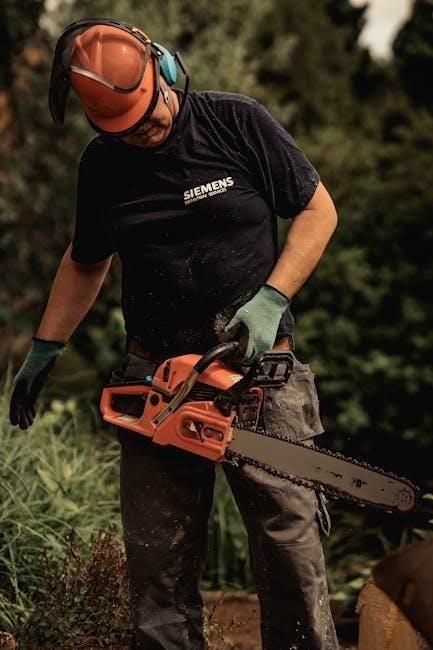
Chainsaws are powerful, versatile tools utilized for a wide array of tasks, from felling trees to detailed carving․ Understanding their mechanics and proper usage is paramount for both efficiency and, crucially, safety․ Whether you’re a seasoned professional or a first-time user, a comprehensive understanding of chainsaw operation and maintenance is essential․
These tools, designed for heavy-duty work, require regular attention to maintain peak performance․ Consistent TLC ensures longevity and prevents potentially hazardous situations․ This guide will provide the knowledge needed to operate and care for your chainsaw effectively․
Types of Chainsaws
Chainsaws broadly fall into two main categories: gas-powered and electric․ Gas chainsaws, known for their power and portability, are ideal for demanding tasks in remote locations․ Electric chainsaws offer convenience and reduced emissions, making them suitable for lighter-duty jobs around the home․
Within electric chainsaws, you’ll find both corded and cordless (battery-powered) options․ Cordless models provide freedom of movement, while corded models offer consistent power without battery limitations․ Selecting the right type depends on your specific needs and usage scenarios․
Gas-Powered Chainsaws
Gas-powered chainsaws deliver substantial power, making them perfect for felling trees, heavy limbing, and demanding cutting tasks․ These saws utilize a two-stroke or four-stroke engine, requiring a fuel mixture of gasoline and oil․ Their portability is a key advantage, allowing operation away from power sources․
However, gas chainsaws require more maintenance, including spark plug checks, air filter cleaning, and fuel system upkeep․ They also produce emissions and can be louder than electric alternatives․ Careful consideration of these factors is crucial․
Electric Chainsaws (Corded & Cordless)
Electric chainsaws offer a convenient and eco-friendly alternative to gas models․ Corded electric chainsaws provide consistent power but limit mobility due to the need for a power outlet․ Cordless chainsaws, powered by rechargeable batteries, offer greater freedom and portability․
Electric saws generally require less maintenance than gas saws, lacking components like spark plugs and carburetors․ They are quieter and produce zero emissions during operation, making them ideal for residential use․
Safety First: Essential Chainsaw Safety Gear
Chainsaw operation demands rigorous safety precautions․ Prioritizing personal protection is paramount to prevent severe injuries; Always wear appropriate safety gear before starting any cutting task․ This includes a helmet with face shield, protecting against falling debris and branches․
Essential gear also encompasses hearing protection, cut-resistant chaps, gloves, and sturdy boots․ Proper attire minimizes risks, ensuring a safer working environment․ Never compromise on safety – it’s non-negotiable!
Personal Protective Equipment (PPE)
Comprehensive PPE is crucial for chainsaw safety․ A helmet safeguards against head injuries from falling objects, while a face shield protects eyes and face from wood chips․ Hearing protection, like earmuffs, is vital due to the chainsaw’s loud noise․
Cut-resistant chaps are non-negotiable, protecting legs from accidental contact with the chain․ Gloves enhance grip and protect hands, and steel-toed boots offer foot protection․ Investing in quality PPE is investing in your well-being․
Understanding Chainsaw Components
A chainsaw’s functionality relies on interconnected parts․ The engine or motor provides power – gas engines utilize combustion, while electric motors use electricity․ The chain and bar are the cutting tools; the chain’s sharpness dictates cutting efficiency․
Other key components include the sprocket, driving the chain, and the clutch, engaging/disengaging power․ Understanding these elements is fundamental for effective maintenance and troubleshooting, ensuring safe and efficient operation․
Engine/Motor Overview
Gas-powered chainsaws utilize small, two-stroke or four-stroke engines, demanding a fuel-oil mixture for lubrication․ These engines generate substantial power, ideal for heavy-duty tasks․ Electric chainsaws employ electric motors, powered by cords or batteries, offering quieter operation and reduced emissions․
Motor performance is measured in CCs (cubic centimeters) or voltage/amps․ Regular maintenance, like spark plug checks (gas) or battery care (electric), is crucial for sustained engine/motor health․
Chain and Bar Anatomy
The chainsaw chain consists of interconnected links with cutting teeth, known as cutters․ These cutters slice through wood as the chain rotates around the guide bar․ The bar itself provides support and directs the chain’s movement․ Key components include drive links, tie straps, and depth gauges, influencing cutting performance․
Bar length dictates the maximum cutting diameter․ Proper chain tension and bar lubrication are vital for efficient operation and preventing premature wear․ Understanding these parts ensures safe and effective use․
Chainsaw Maintenance: Daily Checks
Daily inspections are crucial for chainsaw longevity and safety․ Before each use, verify the chain tension – it should return snugly against the bar when pulled manually․ Check the bar lubrication system; ensure the oil reservoir is full and the oiler is functioning correctly․
Inspect the chain for damage, like cracked or missing teeth․ Confirm all safety features, including the chain brake, are operational․ A quick pre-use check prevents issues and ensures a safe cutting experience․
Chain Tension Adjustment
Proper chain tension is vital for efficient cutting and preventing premature wear․ A too-loose chain can derail, while excessive tightness strains the drive sprocket and bar․ To adjust, loosen the bar nuts slightly, then use the tensioning screw․
The chain should lift slightly from the bar, but still return snugly when pulled manually․ Retighten the bar nuts securely after adjustment․ Regularly check tension, especially during initial use, as new chains stretch․
Bar Lubrication
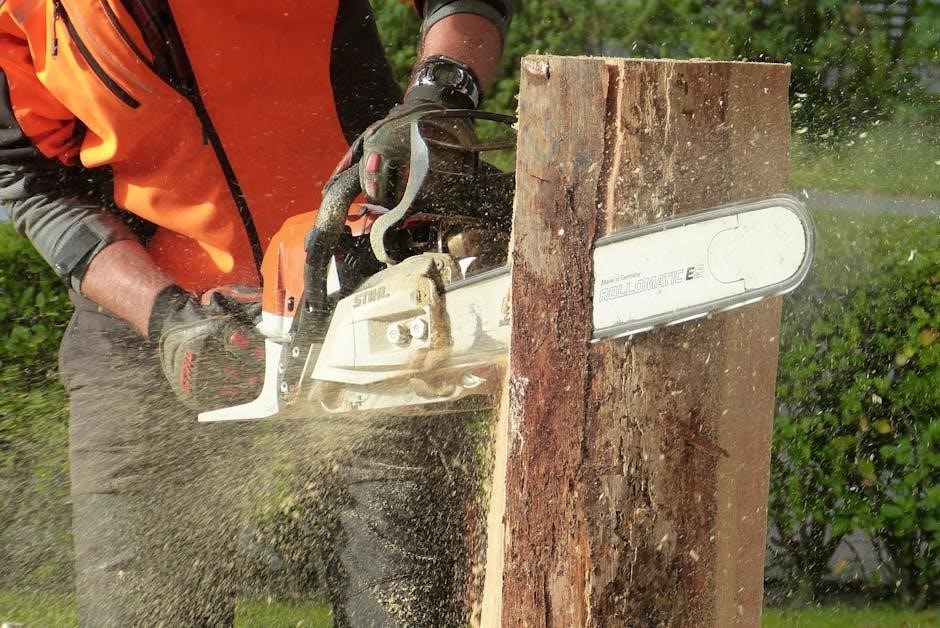
Consistent bar lubrication is crucial for reducing friction and preventing overheating, extending both bar and chain life․ Automatic oilers are common, but always verify oil flow before each use․ Ensure the oil reservoir is filled with the correct chainsaw oil – never substitute with other fluids․
Visually inspect the bar groove during operation to confirm adequate oil distribution․ Insufficient lubrication leads to increased wear and potential damage, impacting cutting performance․
Chainsaw Maintenance: Regular Servicing
Beyond daily checks, regular servicing ensures long-term chainsaw health․ For gas-powered models, this includes spark plug maintenance – cleaning or replacing as needed – to maintain optimal ignition․ Air filter cleaning or replacement is vital for proper engine function, preventing debris buildup․
Fuel system maintenance, encompassing fuel line checks and carburetor cleaning, prevents clogging and ensures efficient fuel delivery․ Following the manufacturer’s schedule is key․
Spark Plug Maintenance (Gas Chainsaws)
A clean and properly gapped spark plug is crucial for reliable gas chainsaw starting and performance․ Regularly inspect the spark plug for fouling – carbon buildup – or damage․ Clean with a wire brush, or replace if heavily soiled or cracked․
Ensure the gap matches the manufacturer’s specifications using a feeler gauge․ Incorrect gapping can lead to starting issues or reduced engine power․ Replacement should occur annually, or more frequently with heavy use․
Air Filter Cleaning & Replacement
A clean air filter ensures optimal engine performance by preventing debris from entering the carburetor․ Regularly inspect the air filter after each use, and clean it if dusty or dirty; Most filters can be tapped clean or washed with mild soap and water, then thoroughly dried․
Replace the air filter annually, or sooner if damaged․ A clogged filter restricts airflow, reducing power and potentially causing engine damage․ Maintaining a clean filter is vital for longevity․
Fuel System Maintenance (Gas Chainsaws)
Proper fuel system care is crucial for gas chainsaw reliability․ Always use fresh fuel, ideally mixed with a high-quality two-stroke oil, following the manufacturer’s recommendations․ Stale fuel can cause carburetor issues and reduce performance․ Drain the fuel tank before extended storage to prevent gumming․
Inspect fuel lines for cracks or leaks and replace them as needed․ A clean carburetor ensures efficient fuel delivery and optimal engine operation․
Chain Sharpening: A Step-by-Step Guide
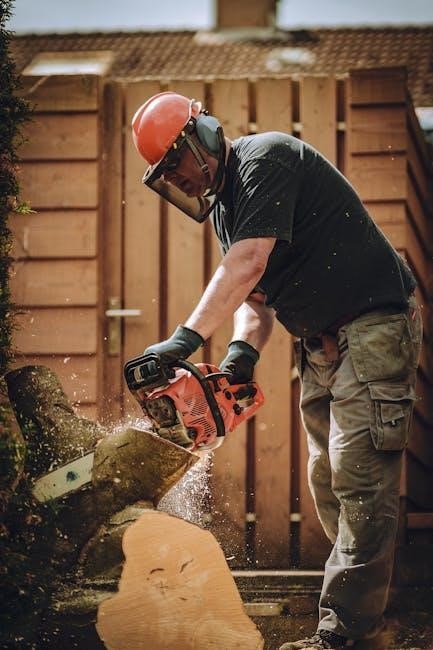
Maintaining a sharp chain is paramount for efficient cutting and user safety․ Begin by securely clamping the chain in a sharpening vise․ Utilize a round file, matching the chain’s pitch, and file each cutter at the correct angle, following the existing bevel․
Consistent filing depth is key; a filing guide aids precision․ After sharpening, remove burrs with a flat file․ Regularly inspect and sharpen your chain for peak performance․
Sharpening Tools & Techniques
Essential tools include a round file, flat file, filing guide, depth gauges, and a vise․ Round files, matched to chain pitch, remove material to restore cutting edges․ Filing guides ensure consistent angles․ Depth gauges verify proper cutter height for efficient cuts․
Techniques involve maintaining consistent filing pressure and angle․ Always sharpen from the inside of the cutter․ Regularly check and replace worn tools for optimal results and chain longevity․
Bar Maintenance and Repair
Regular bar maintenance extends its lifespan and ensures smooth chainsaw operation․ Flipping the bar during sharpening distributes wear evenly, preventing warping․ Inspect rails for burrs and damage; file them smooth to maintain chain alignment․
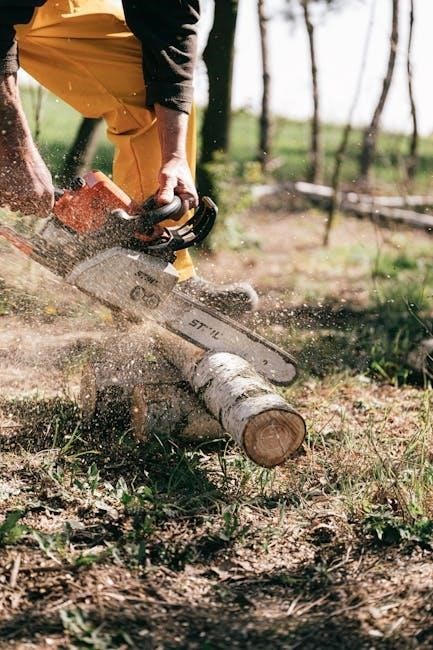
Check for bent or cracked bars, requiring replacement․ Proper chain tension minimizes rail wear․ Lubricate frequently to reduce friction and prevent seizing․ Addressing minor issues promptly prevents costly repairs or replacements․
Flipping the Bar
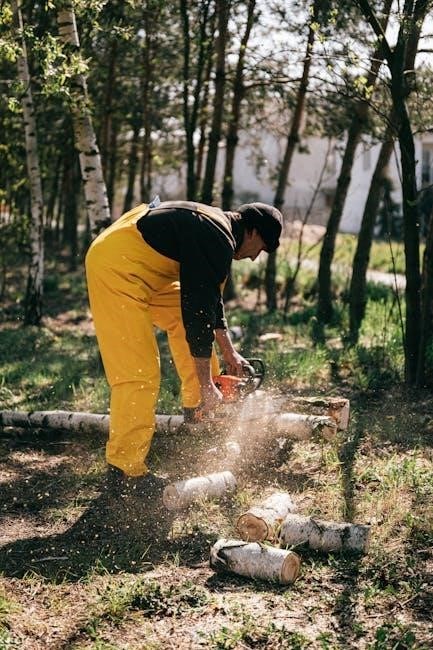
Regularly flipping the chainsaw bar is a crucial, yet often overlooked, maintenance practice․ This simple action distributes wear across both top and bottom rails, significantly extending the bar’s overall lifespan․ Uneven wear leads to warping and poor chain alignment․
During each sharpening, rotate the bar 180 degrees․ This ensures both sides experience equal contact with the chain, promoting consistent performance and delaying the need for costly bar replacement․ It’s a proactive step towards longevity!
Bar Rail Maintenance
Maintaining the chainsaw bar rails is vital for smooth, efficient cutting․ Inspect rails frequently for burrs, damage, or uneven wear․ Use a flat file to carefully remove any burrs, ensuring a consistent surface for the chain to ride against․
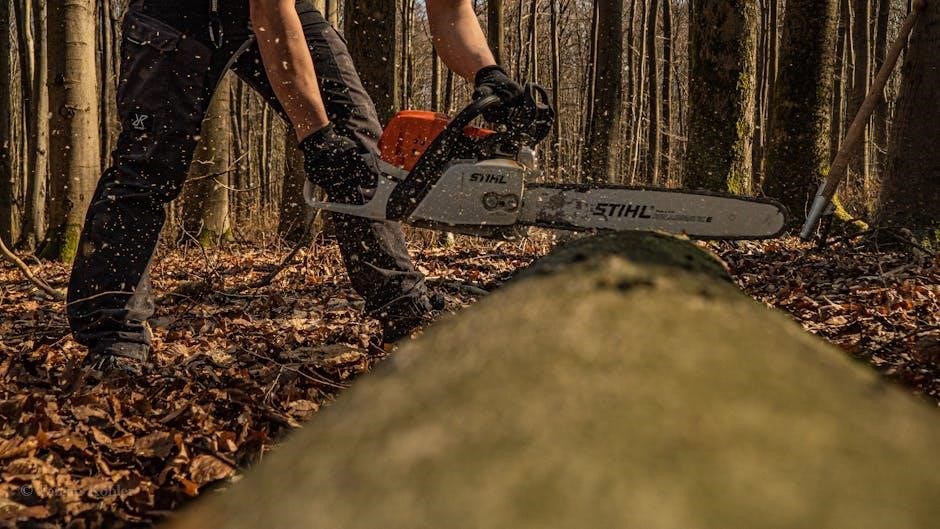
Proper rail maintenance minimizes friction, reducing heat buildup and extending chain life․ Addressing minor rail issues promptly prevents them from escalating into more significant problems requiring professional repair or bar replacement – saving both time and money․
Troubleshooting Common Chainsaw Problems
Encountering issues with your chainsaw? Two frequent problems are a refusal to start and a chain that stops mid-cut․ For a no-start engine, check fuel levels, spark plug condition (gas models), and ensure the choke is properly engaged․
If the chain halts, inspect for pinched situations, insufficient chain lubrication, or a dull chain․ Addressing these common issues promptly can restore functionality and prevent further damage, keeping your work flowing smoothly․
Engine Won’t Start
A frustrating issue! First, verify adequate fuel and a clean air filter․ For gas chainsaws, inspect the spark plug – it may be fouled or damaged․ Ensure the choke is correctly positioned; often, a fully engaged choke is needed for cold starts․
Confirm the ignition switch is functioning and the kill switch isn’t engaged․ If problems persist, examine the carburetor for blockages․ Proper diagnosis is key to restoring engine function․
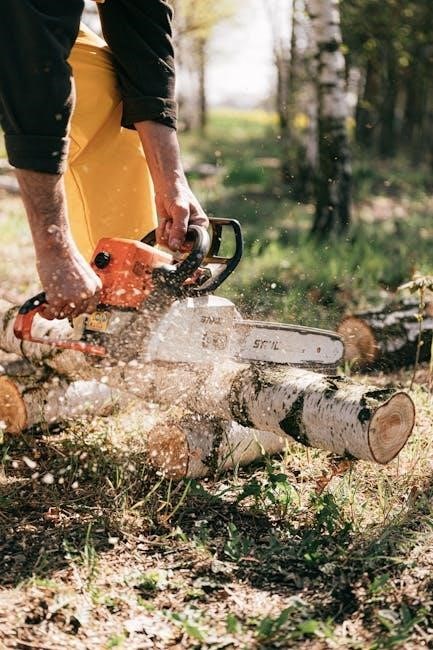
Chain Stops Moving
A halted chain presents a safety concern! Initially, check chain tension – a loose chain can slip off the bar․ Verify adequate bar lubrication; insufficient oil causes excessive friction and halting․ Inspect the drive sprocket for wear or damage, as this transfers power to the chain․
Also, examine the clutch mechanism for proper engagement․ A blocked fuel line or carburetor can also starve the engine, stopping chain movement․ Address these issues promptly․
Winterizing Your Chainsaw
Proper winterization safeguards your chainsaw! Begin by completely draining the fuel tank to prevent gum and varnish buildup during storage․ Introduce fuel stabilizer into the remaining fuel if complete draining isn’t possible, running it briefly to circulate․ Clean or replace the air filter, and inspect the spark plug for wear․
Thoroughly clean the exterior, removing sawdust and debris․ A light coating of oil on metal parts prevents rust․ Store in a dry, protected location․
Fuel Stabilization & Carburetor Cleaning
Fuel stabilization is crucial for long-term storage! Adding fuel stabilizer prevents the gasoline from breaking down and forming gum deposits within the fuel system․ Run the chainsaw for a few minutes to ensure the stabilized fuel circulates through the carburetor․
For carburetors with stubborn deposits, a carburetor cleaner spray can be utilized, following the product’s instructions carefully․ Disassembly might be needed for severe cases․
Chainsaw Storage Best Practices
Proper storage extends your chainsaw’s lifespan! After use, thoroughly clean the chainsaw, removing sawdust and debris․ Drain the fuel tank completely, or utilize stabilized fuel for periods exceeding 30 days․ Store the chainsaw in a dry, secure location, away from direct sunlight and extreme temperatures․
Sheathe the bar and chain to prevent accidental contact and damage․ Consider a dedicated chainsaw case for optimal protection during prolonged storage․
Choosing the Right Chainsaw Oil
Selecting the correct oil is crucial for chainsaw longevity! Utilize a high-quality bar and chain oil specifically formulated for chainsaws; automotive oils are unsuitable․ Consider the temperature – colder climates require lower viscosity oils for optimal flow․ Biodegradable options minimize environmental impact․
Regularly check oil levels before each use and refill as needed․ Proper lubrication reduces friction, preventing premature wear and ensuring smooth operation․
Chainsaw Chain Types Explained
Chainsaw chains vary to suit different cutting needs! Standard chains are versatile for general purpose cutting, handling most wood types efficiently․ Carving chains, however, boast a finer tooth configuration, providing enhanced control and precision for detailed work․
Consider the kerf (width of the cut) and pitch (distance between cutters) when selecting a chain․ Matching the chain to your bar’s specifications is vital for safe and effective operation․
Standard Chains
Standard chainsaw chains are the workhorses of the forestry and landscaping world! These chains feature a ․325” or 3/8” pitch and are designed for all-around cutting tasks, excelling in felling, bucking, and limbing․
They offer a good balance between cutting speed and durability, making them suitable for both professionals and homeowners․ Their robust construction handles various wood densities effectively, providing reliable performance in diverse conditions․
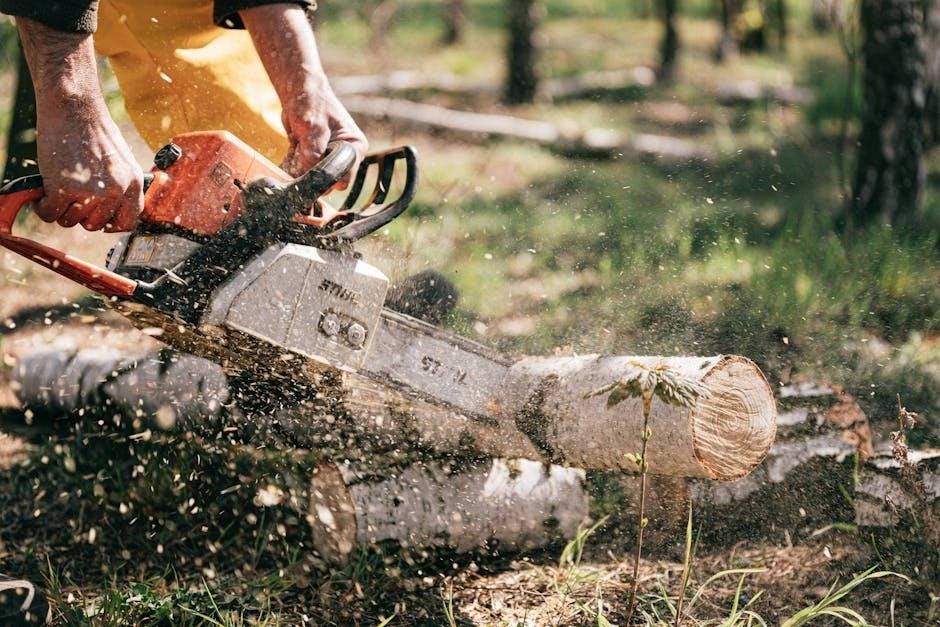
Carving Chains
Carving chains are specifically engineered for detailed wood sculpting and artistic chainsaw carving! Featuring a narrower kerf and a greater number of teeth – often exceeding 80 – these chains deliver exceptional precision and control․
Their design allows for smoother cuts and intricate detailing, essential for creating complex shapes and textures․ While slower cutting than standard chains, carving chains prioritize finesse and artistic expression, making them ideal for hobbyists and professional carvers․
Advanced Chainsaw Maintenance
Beyond routine checks, advanced chainsaw maintenance ensures longevity and peak performance․ This includes meticulous inspection and servicing of the sprocket and clutch assembly․ A worn sprocket impacts chain alignment and efficiency, while a failing clutch causes power loss․
Regularly examine these components for wear, damage, or contamination․ Proper adjustment and replacement, when necessary, are crucial for maintaining optimal power transfer and preventing further damage to the engine or chain;
Sprocket and Clutch Maintenance
The sprocket, driving the chain, requires periodic inspection for worn or damaged teeth․ Replace a worn sprocket to maintain proper chain alignment and prevent premature wear․ Clutch maintenance involves checking for smooth engagement and disengagement․
A slipping clutch indicates potential issues with the clutch springs or drum․ Cleaning debris from the clutch housing is essential․ Regularly inspect and replace clutch components as needed to ensure efficient power transfer and prevent overheating during operation․
Resources for Chainsaw Repair & Parts
Locating reliable resources is crucial for chainsaw upkeep․ Manufacturer websites often provide detailed parts diagrams, repair manuals, and troubleshooting guides specific to your model․ Online retailers specializing in power tool parts offer a vast selection of components․
Local chainsaw dealerships provide expert repair services and genuine parts․ Forums and online communities dedicated to chainsaws can offer valuable advice and peer support․ Remember to always use compatible parts and consult a professional when tackling complex repairs․