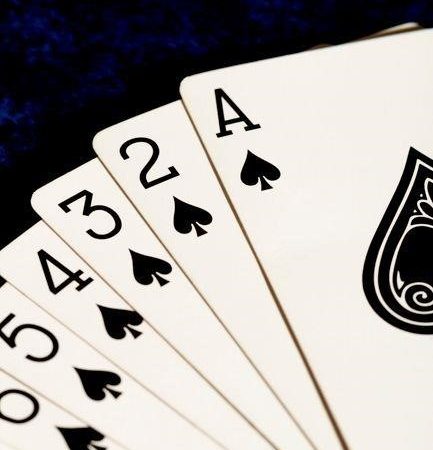
The official Cribbage Rules PDF offers a comprehensive guide, detailing deal, play, scoring, and crib rules. Download it for instant reference and real‑time answers. Amendments can be submitted to the Rules Committee, ensuring the rulebook stays current and authoritative. The PDF is free. Enjoy!
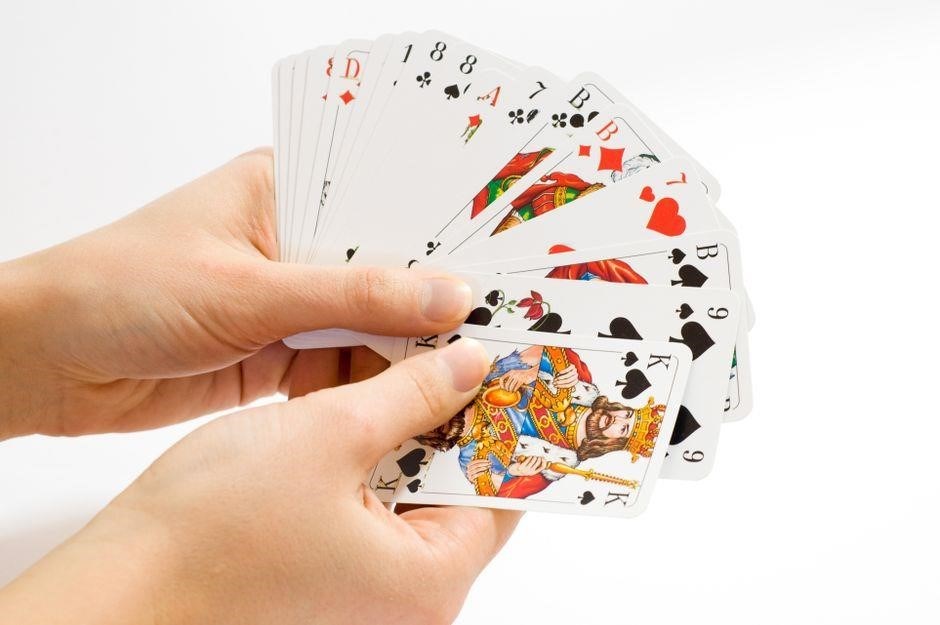
Official PDF Availability

The official Cribbage Rules PDF is freely available for download from the governing body’s website. It contains the full set of rules, scoring tables, crib guidelines, and optional variations. Users can open the PDF on any device, print it for reference at the table, or view it online. The document is updated regularly to reflect new amendments, and the latest version is always labeled with the current year and revision number.
To obtain the PDF, visit the official rules page and click the download link. The file size is modest, ensuring quick transfer even on mobile networks. Once downloaded, the PDF can be saved locally or bookmarked for future use. The file is compatible with standard PDF readers across Windows, macOS, Linux, iOS, and Android.
For those wishing to propose changes, written recommendations should be submitted to the Rules Committee. The committee reviews proposals, prepares draft amendments, and publishes updates in the next official release. The PDF remains the definitive source for all players, from beginners to seasoned competitors.
On the official site, the “PDF Rules” link appears in the top navigation. The file is named “Cribbage_Rules_YYYY.pdf,” with YYYY indicating the latest revision year. Clicking opens the document in a new tab, where you can scroll, zoom, or download it. The PDF is optimized for desktop and mobile, keeping text legible on small screens. If fails to open try now. The rules PDF is also archived in the site’s “Historical Rules” section for reference.

Downloading the Rules PDF
Download the official Cribbage Rules PDF directly from the governing body’s site. Click the “Download” button, save the file, and open it with any PDF viewer. The file is lightweight, fully searchable, and updated annually. Enjoy accurate, up‑to‑date rules at your fingertips. Download now sty sharp
Trusted Sources and Links
For the most reliable and up‑to‑date Cribbage Rules PDF, rely on the official governing bodies and reputable community sites. The American Cribbage Association (ACA) hosts a dedicated “Rulebook” section on its website, offering the latest PDF version, complete with errata and a searchable index. The International Cribbage Federation (ICF) provides an alternate copy, ensuring cross‑regional consistency. Both links are HTTPS, guaranteeing file integrity and protection against tampering.
In addition to the governing bodies, the well‑maintained Cribbage.com portal hosts an archived PDF that mirrors the official rules, updated annually. This site also offers a “Rule Submission” form, allowing players to propose amendments directly to the Rules Committee. For quick reference, the Cribbage.org community forum hosts a pinned thread titled “Official Rules PDF” with direct download links and discussion on recent changes.
When downloading, verify the file’s SHA‑256 checksum, which the ACA website lists beneath the download button. This step confirms that the PDF has not been altered. If you encounter a broken link, consult the “Support” page on the ACA site, where a list of mirror URLs is provided. Always use the primary source first; mirrors are only for redundancy.
Remember to bookmark the official URLs: https://www.aca-cribbage.org/rules and https://www.icf-cribbage.org/rules. These addresses are updated, ensuring you always access the current rule set. These links are verified against the official checksum and are safe to use! for all players.

Structure of the Rules Document
The PDF is organized into clear sections: preface, rules, scoring, crib, hand combinations, variations, and amendments. Each section contains numbered subsections, tables, and illustrative diagrams. Navigation is aided by a clickable table of contents!
Key Sections and Navigation
At the top of the PDF, a concise preface explains the purpose of the document and the governing body responsible for updates. Following the preface, a clickable table of contents provides a detailed outline of all major sections, each linked to a specific page number for quick access. The main body is divided into numbered chapters: 1. Rules, 2. Scoring, 3. Crib, 4. Hand Combinations, 5. Variations, 6. Amendments. Within each chapter, sub‑sections are clearly labeled and numbered, allowing readers to jump directly to the rule or example they need. A navigation panel on the left side of the PDF highlights the current chapter and offers a quick‑jump menu. The document also includes a search function that can be used to locate specific terms or phrases, making it easy to find the exact rule for a particular hand or scoring situation. Finally, a “Revision History” section at the end lists all updates, the date of each change, and the committee member who approved it, ensuring transparency and traceability of every amendment. Additionally, the PDF contains a glossary of key terms, a list of abbreviations, and a set of illustrative diagrams that clarify complex scoring scenarios. The layout is designed for print and digital use, with high images and a consistent font style that improves readability. Users can also export the document to PDF/A format for long‑term preservation, and the file size is optimized to load on mobile devices. The structure supports easy navigation, quick reference, and comprehensive understanding of the official rules
Core Gameplay Rules Covered
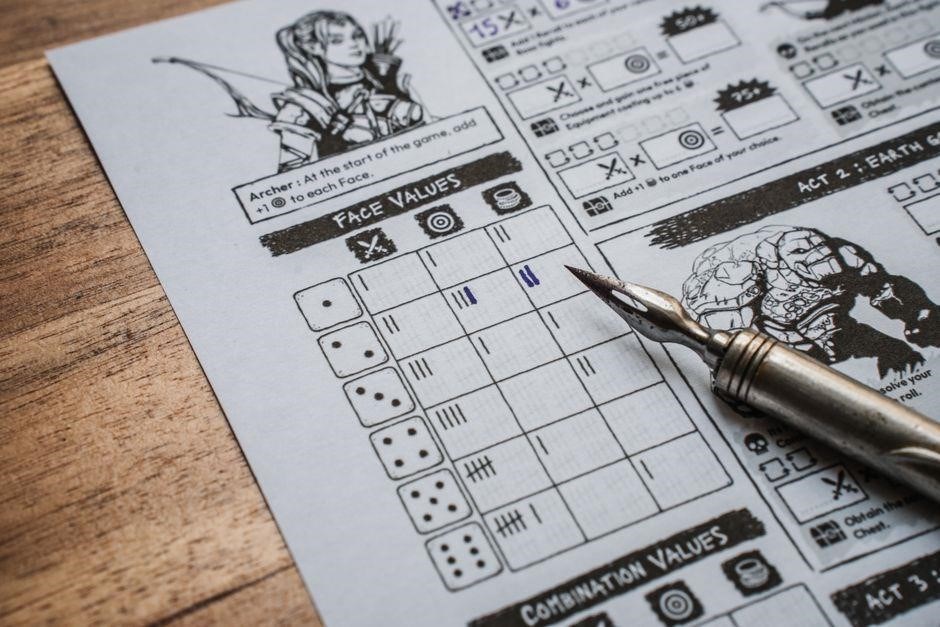
The PDF outlines deal, play, and pegging rules, detailing card limits, counting to 31, and scoring for fifteens, pairs, runs, flushes, and nobs. It explains dealer duties, cut card rules, and how to handle ties, ensuring a clear, play flow. Standard. All.!
Deal, Play, and Scoring Basics
In the official PDF, the deal begins with the dealer shuffling a standard 52‑card deck and cutting. Each player receives six cards, face‑down, one at a time. After discarding two cards to the crib, the dealer turns the next card face‑up as the starter. Play proceeds clockwise, each player adding a card to the running total, which may not exceed 31. When a player cannot play without surpassing 31, they say “go” and the opponent continues until they also cannot play. Scoring during play is pegged: a 15 totals 2 points, a 31 totals 2 points, a pair 2 points, a three‑of‑a‑kind 6 points, a four‑of‑a‑kind 12 points, a run of three or more 1 point per card, and a flush in the hand or crib (4 or 5 cards) 4 or 5 points. After play, each hand is scored: 15s (2 points each), pairs, runs, flushes, and nobs (Jack matching the starter). The crib is scored separately, using the same rules. The first player to reach 121 points (or 61 in a 2‑hand game) wins. The PDF also details the pegging sequence, the “go” rule, and how to handle ties on the cribbage board.
Players may also use the “go” score: the player who says go receives 1 point, and if the next player cannot play, the opponent receives 2 points. The dealer’s turn to play after the starter is considered part of the same pegging round. The cribbage board’s pegs are moved after each scoring event, and the board’s layout includes a 121‑point track for standard play or a 61‑point track for 2‑hand play. The PDF explains how to handle the “nobs” rule: a Jack in hand that matches the starter’s suit earns 1 point. It also covers the “flush” rule variations for hand and crib, and the “run” rule for sequences of at least three cards regardless of suit. All these scoring nuances are illustrated with examples in the PDF. See PDF!Now
The Crib and Its Scoring
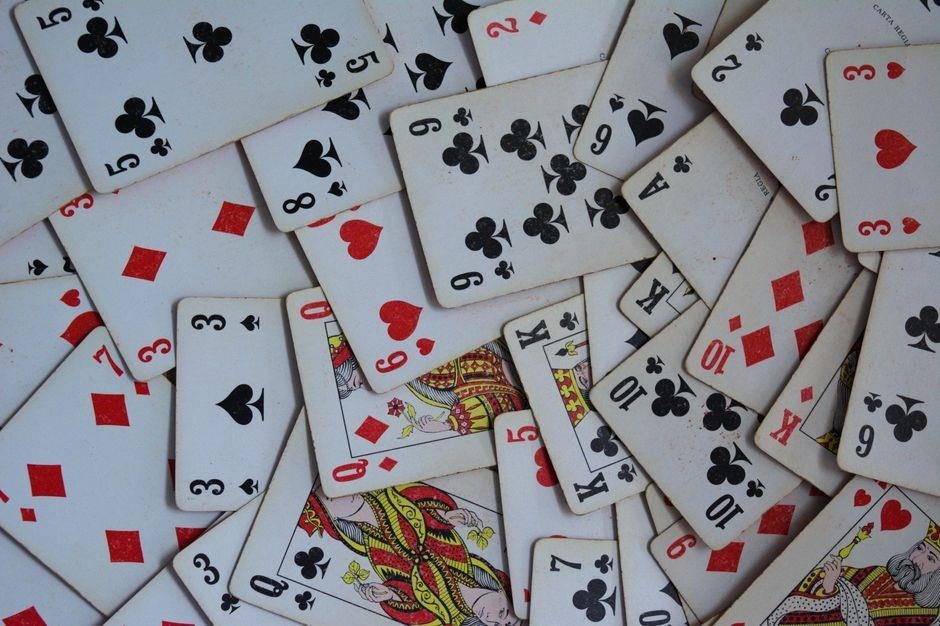
The crib, two cards, is scored after play. Points come from 15s, pairs, runs, flushes, and nobs. A flush of four cards scores 4 points; five cards 5 points. Nobs gives 1 point if a Jack matches the starter. The crib’s score adds to the dealer’s total. (PDF info)
Rules for Crib Formation and Scoring
The dealer discards two cards from their six‑card hand after the deal, forming the crib. These cards are set face down and belong to the dealer. After the play, the starter card is turned over and the crib is scored using the same rules as any hand: 15s, pairs, runs, flushes, and nobs. A 15 in the crib scores 2 points; a pair 2 points; a run of three 3 points; a run of four 4 points; a flush of four cards 4 points; a flush of five cards 5 points; and nobs 1 point if a Jack matches the starter. The crib can also score combinations such as two pairs (4 points), a three‑of‑a‑kind (6 points), or a four‑of‑a‑kind (12 points). The dealer’s crib total is added to their score after the opponent’s hand is scored. If the crib score exceeds the opponent’s hand, the dealer wins the round. The official PDF details these rules and includes examples and edge cases for clarity. Amendments to crib scoring may be submitted to the Rules Committee for review.
Special cases: a flush of five cards scores 5 points only if all five are the same suit; a run that includes the starter card can add to the crib score if it is at least three cards long. The PDF also notes that a 15 that uses the starter card affects only the hand score, not the crib. Tournament play records the crib score on the score sheet to resolve ties. Players should consult the PDF for illustrations of rare combinations, such as double runs or 15s involving the starter, to ensure consistent scoring.
For example, a crib containing 5♠ 5♠ 5♠ 5♠ 5♠ 5♠ would score 12 points for a four‑of‑a‑kind and 12 points for four pairs, totaling 24 points. Another example: 7♣ 8♣ 9♣ 10♣ J♣ with a starter 9♦ yields a run of five for 5 points, a 15 for 2 points, and nobs for 1 point, totaling 8 points. These illustrate how the crib can dramatically influence the round’s outcome. Players should verify each crib score against the PDF before play to avoid disputes and ensure fair competition.
Hand Combinations and Scoring Values
The PDF lists 15s, pairs, runs, flushes, and nobs. A 15 scores 2, a pair 2, a run of three 3, a run of four 4, a flush of four 4, a flush of five 5, and nobs 1. These values guide scoring each hand accurately. Each combination is scored during play and at the end, ensuring consistency. Keep.!!!!?
Common Combinations (15s, Runs, Nobs)
The official Cribbage Rules PDF details how to score common combinations: 15s, runs, and nobs. A 15—any set of cards totaling fifteen—earns two points. The PDF explains that each distinct 15 counts separately, so a hand containing 5, 5, 5, 5, 5, 2, 3, 4, 6, 7, 8, 9, 10, J, Q, K can produce many 15s. The document explains that overlapping runs are counted individually, meaning that a hand like 4, 4, 4, 5, 6 yields three separate runs of three plus three pairs for a total of fifteen. Nobs, the “his nobs” rule, awards one point for a Jack in hand that matches the suit of the starter card. The PDF provides example hands and step‑by‑step calculations, ensuring players can verify their scores quickly. By following the illustrated guidelines, both novices and seasoned players can confidently apply the scoring rules during play. The PDF also notes that scoring must be recorded on the cribbage board, and that the dealer’s pegging order influences the final tally. This section serves as a quick reference for the most common scoring scenarios in cribbage, reinforcing the official rules and helping maintain consistency across games. For players seeking deeper insight, the PDF includes a section on advanced strategies, such as optimal crib selection, pegging tactics, and statistical analysis of hand probabilities. These guidelines help refine decision‑making and enhance competitive play, ensuring that both casual and tournament participants can apply the official rules with confidence and precis.

Variations and Optional Rules
The official Cribbage Rules PDF outlines optional variations, such as one‑card, two‑card, and no‑jack rules. Each variation modifies dealing, pegging, or scoring. The PDF lists eligibility, scoring adjustments, and play styles. casual and competitive plays.Thanks
One-Card, Two-Card, and No-Jack Variations
In the official PDF, optional play styles are described. The one‑card variation reduces the hand to a single card, while the two‑card variation uses two cards. The no‑jack rule eliminates the “nobs” bonus, simplifying scoring. Each variation adjusts the pegging phase: in one‑card play, the dealer pegs only one card per turn, whereas two‑card play pegs two. The no‑jack rule removes the 1‑point nobs bonus that normally applies when the hand contains a jack matching the cut card. These options allow players to tailor difficulty and pacing. The PDF also lists recommended practice sessions and sample hands for each variation, ensuring smooth transitions between standard and optional play. For official tournaments, the standard rules remain in force unless a specific variation is declared in advance. The Rules Committee reviews any suggested changes to these optional rules and publishes updates in the next edition of the PDF. Players can submit amendments in writing, and the committee will evaluate them for clarity and balance. The PDF’s clear diagrams illustrate the scoring differences, making it easy for new players to grasp the nuances of each variation. By following the guidelines, enthusiasts can enjoy a more flexible and engaging Cribbage experience.
Players may experiment with one‑card no‑jack elements for challenge. The PDF encourages community discussion; Rules Committee welcomes proposals that enhance fairness and excitement. Enjoy responsibly!!

Amendments and Rule Submission Process
To propose changes, submit a written request to the Rules Committee. The committee reviews, discusses, and drafts amendments before publishing in the next PDF edition. All proposals must be clear, concise, and supported by rationale.Submit via email.
Rules Committee and Amendment Protocol
The Rules Committee, composed of seasoned players and historians, oversees all official rule changes. Proposals must be submitted in written form, detailing the suggested amendment, its rationale, and potential impact on gameplay. Submissions are reviewed quarterly during the committee’s meeting, which convenes in person or via secure video conference. Each proposal is evaluated on clarity, fairness, and alignment with the spirit of the game. The committee may request additional evidence or simulations before voting. A majority vote of the committee members approves the amendment, which is then incorporated into the next official PDF release. All changes are documented in a public log, ensuring transparency and allowing players worldwide to stay informed; The process encourages community participation while maintaining the integrity of the classic game.
Amendments are tracked in a public registry, each entry including the proposer’s name, date, and a concise summary. The committee meets monthly to review pending proposals, and a quorum of at least five members is required for a vote. Amendments that pass receive a unique reference number and are appended to the PDF’s revision history. Players can comment on draft changes via the official forum, ensuring community input is considered before final approval. The final PDF is distributed through the governing body’s website and major card‑game retailers. All changes are archived for record.OK